Antique Courtyard Fish Tank Fountain with Filtration
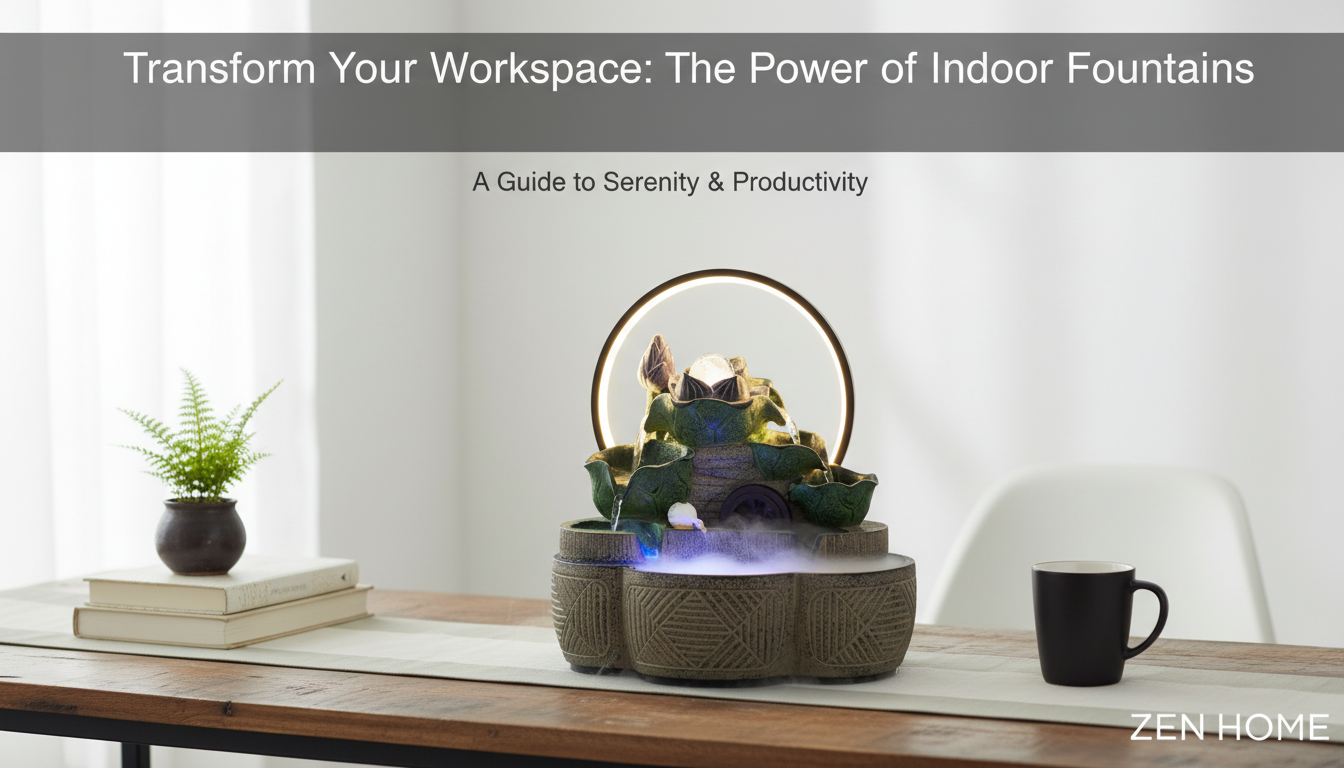
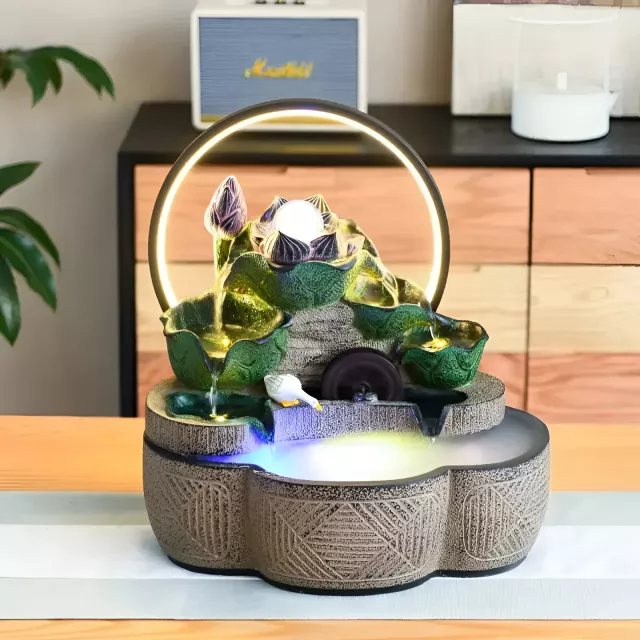
Antique Courtyard Fish Tank Fountain with Circulating Water Filtration System
An antique-style courtyard fountain that doubles as a fish tank can turn a patio, atrium, or garden nook into a calm focal point—while a circulating filtration loop helps keep water clearer and healthier for fish. The appeal is twofold: the soft sound of moving water for your space, and a visible basin where fish can comfortably cruise. With the right placement and a steady routine, an integrated fish-tank fountain can feel more like a relaxing outdoor feature than an ongoing project.
What Makes a Fish Tank Fountain Work Well Outdoors
Outdoor conditions are less predictable than indoor aquariums, so a fish tank fountain succeeds when it’s designed around stability and steady circulation.
- A combined display: moving water adds sound and motion, while the basin provides a clear observation area for fish.
- Continuous circulation: water movement reduces stagnant corners where debris and algae tend to build up.
- Properly sized filtration: trapping solids and processing waste supports fish health between water changes.
- Thoughtful placement: sun exposure, wind-blown debris, and temperature swings affect water quality more than most outdoor décor.
For background on algae and water quality risks outdoors, the EPA’s overview of harmful algal blooms is a helpful reference for why light and nutrients can quickly change water conditions.
Design Highlights to Look For in an Antique Courtyard Style
Antique courtyard styling tends to pair best with classic, traditional outdoor materials—stone, brick, and wrought iron—so the fountain looks “built-in” instead of dropped into the space.
- Aged, classic styling: complements traditional patios, garden paths, and entry courtyards.
- Fish-friendly basin geometry: choose a basin that offers swimming room and avoids narrow corners where waste collects.
- Stable base and level footing: reduces vibration, prevents uneven waterlines, and helps control splash.
- Gentle water return: look for movement that oxygenates without turning the basin into a jet stream—especially in smaller volumes.
If you’re pairing the fountain with seating, the “antique courtyard” look often works well with a small bench, potted evergreens, and a low-profile shade solution that keeps the basin cooler in summer.
Circulating Water Filtration: How It Helps Fish and Water Clarity
A circulating filtration system is what separates a purely decorative fountain from a feature that can also support fish. In simple terms, it keeps water moving through media that removes debris and supports beneficial bacteria.
- Mechanical filtration: captures suspended debris such as dust, leaves, uneaten food, and fine particles that cloud water.
- Biological filtration: provides surface area for beneficial bacteria that convert fish waste (ammonia) into less harmful compounds.
- Better oxygen exchange: surface movement improves gas exchange, which matters more in warm weather when oxygen levels can drop.
- Predictable maintenance: a simple routine—rinsing media, checking flow, topping off—prevents many odor and cloudy-water problems before they snowball.
For practical pond and water-garden fundamentals (including circulation and basic care principles), the University of Florida IFAS Extension’s water gardens resources are a solid starting point.
Quick Specs and Setup Checklist
Before setting up an outdoor fish tank fountain, confirm the fundamentals that protect both fish health and household safety.
- Confirm placement and power: verify access to a safe outdoor outlet; use a GFCI-protected outlet and keep cords arranged with a drip loop.
- Plan a level surface: a stable, level base reduces splash and keeps the waterline even.
- Use dechlorinated water: condition tap water before adding fish, and let the system circulate until flow is stable.
- Choose hardy fish: match fish to your temperature range; a shaded courtyard can behave very differently from an exposed patio.
Courtyard Fountain Fish Tank: Practical Planning Guide
| Consideration | Why It Matters | Practical Tip |
|---|---|---|
| Sun exposure | Direct sun can overheat water and accelerate algae growth | Aim for morning sun / afternoon shade or add a shade sail |
| Debris (trees, wind) | Leaves and dust increase filter load and water changes | Place away from heavy leaf drop; use a fine pre-filter if available |
| Electrical safety | Water + electricity requires protection | Use a GFCI outlet and a drip loop on cords |
| Water top-offs | Evaporation concentrates minerals and waste | Top off regularly; schedule partial water changes, not just refills |
| Noise level | Waterfall sound varies by drop height and flow | Test placement near seating; adjust flow to suit the space |
| Fish load | Overstocking increases ammonia and algae risk | Start with fewer fish; expand only after water stays stable |
Placement Ideas for Courtyards, Patios, and Entryways
Maintenance Routine That Keeps Water Looking Fresh
When water quality is a concern (especially if kids or pets interact with the feature), it’s worth understanding basic contamination pathways. The CDC’s Healthy Swimming guidance provides clear, plain-language context on keeping water safer.
Common Issues and Simple Fixes
Who This Fountain Is Best For
Product Picks Available Now
- Antique Courtyard Fish Tank Fountain with Circulating Water Filtration System — an antique-inspired courtyard fountain design paired with a fish-holding basin and continuous circulation support for clearer water with consistent upkeep.
- Meaningful Conversation Starter Guide | Printable Guide for Dating, Friendship & Networking | Deep Questions & Prompt Examples — a printable guide that can pair nicely with a courtyard seating area when you’re hosting and want easy, low-pressure prompts for conversation.
FAQ
Can fish live in a fountain with circulating filtration?
Yes, as long as the basin volume, filtration capacity, oxygenation, and temperature range suit the fish you choose. Condition the water first and let circulation run steadily before introducing any fish.
How often should the filter be cleaned?
Rinse mechanical media every 1–2 weeks or whenever you notice flow dropping. Avoid over-cleaning biological media, and use dechlorinated or tank water so beneficial bacteria aren’t wiped out.
Where should an outdoor fish tank fountain be placed?
Choose a level surface near a GFCI-protected outlet with partial shade to limit overheating and algae. Keep it away from heavy leaf fall and high-traffic splash zones so maintenance stays manageable.














Leave a comment