Calm Anxiety Fast: Breathing Checklist for Panic Relief
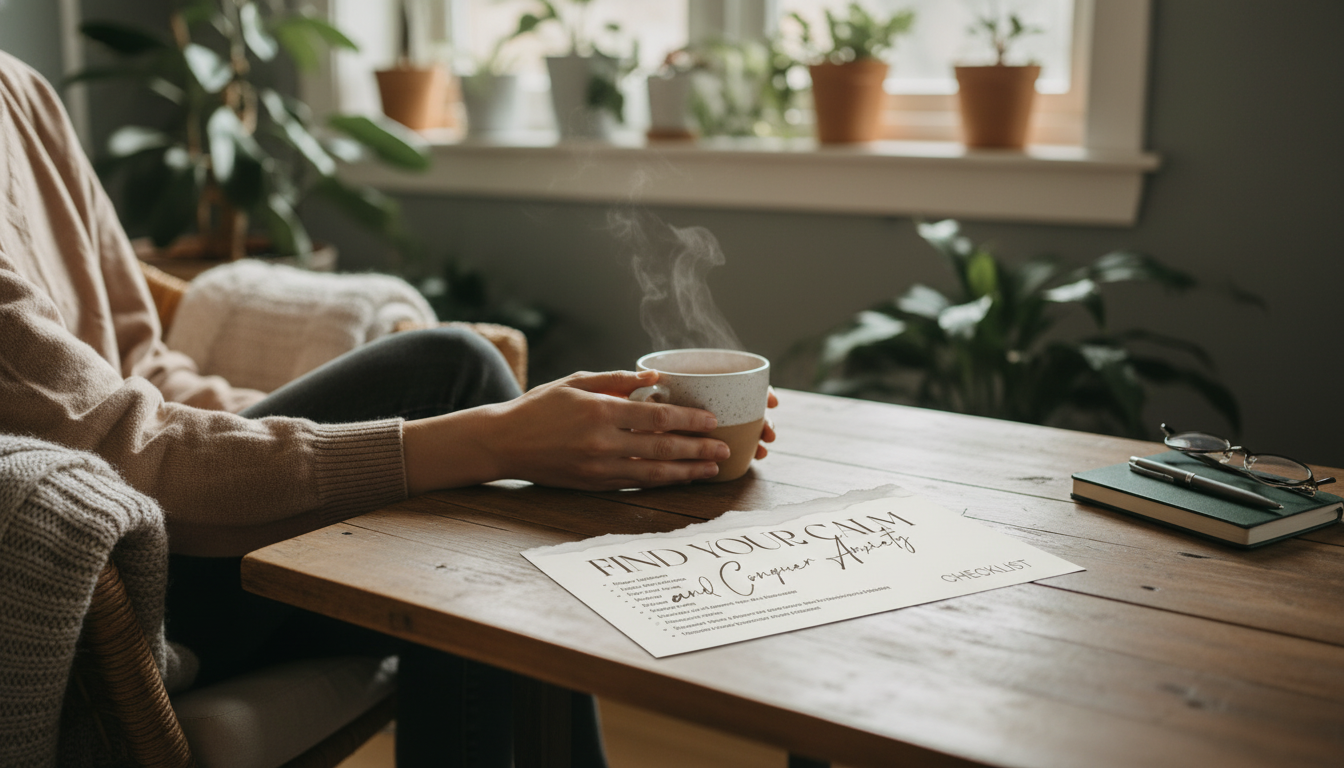
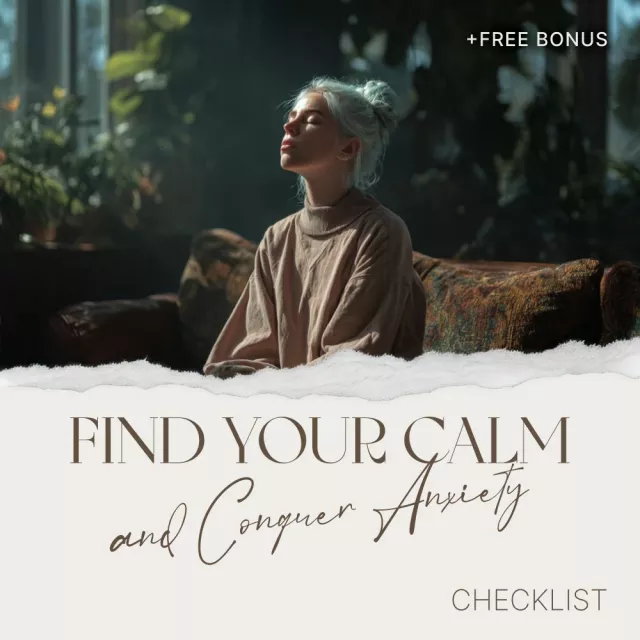
Find Your Calm and Conquer Anxiety Checklist: Breathing Exercises for Anxiety Attack Relief
Anxiety can feel like it takes over the body first: a tight chest, a racing heart, shallow breaths, and a mind that won’t slow down. When the nervous system flips into “alarm mode,” decision-making gets harder—so a simple, repeatable checklist can be a steady handrail. Breathing is one of the quickest tools to access because it’s always available, discreet, and easy to practice in small doses. Below are practical breathing patterns for anxiety attack relief, a step-by-step calm-down checklist for spikes, and setup tips so you can use the tools at home, at work, or on the go.
Why breathing is a fast lever for anxiety relief
Anxiety often changes breathing early in the cycle—faster, shallower, and more chest-focused. That shift can intensify uncomfortable sensations such as dizziness, tingling, and the “something is wrong” feeling that fuels panic. Slower, controlled breathing can help reduce over-breathing (hyperventilation) and support steadier heart-rate patterns, making it easier to reorient and choose a next step.
Breathing exercises are also portable and discreet. They can be done during commutes, in meetings, in the restroom, while waiting in line, or lying in bed. The goal isn’t to force calm; it’s to create enough stability to think clearly and respond rather than react. For background on panic and anxiety symptoms, see the National Institute of Mental Health (NIMH) overview of panic disorder and the American Psychological Association (APA) anxiety resource.
Match the breathing exercise to what you feel
| What’s happening | Try this breathing pattern | How long | Helpful cue |
|---|---|---|---|
| Racing thoughts and restlessness | Box breathing (4-4-4-4) | 2–5 minutes | Breathe like drawing a square |
| Tight chest or rapid breathing | Extended exhale (inhale 4, exhale 6–8) | 3–6 minutes | Make the exhale longer than the inhale |
| Panic surge / feeling out of control | Physiological sigh (double inhale + long exhale) | 30–90 seconds | Two sniffs in, slow breath out |
| Bedtime anxiety | 4-7-8 breathing (gentle, unforced) | 4 cycles to start | Soft jaw, slow exhale |
A simple checklist to use during an anxiety spike
When anxiety spikes, it helps to reduce choices. Follow this quick sequence like a script:
- Name it: silently label the experience (“This is anxiety” or “This is a panic surge”). Labeling can reduce fear-of-fear by reminding the brain this is a familiar pattern, not an emergency.
- Ground the body: place both feet on the floor (or press toes into shoes). Loosen shoulders. Unclench the jaw and hands.
- Choose one breathing pattern: pick a single method and set a short timer (60–180 seconds). A short time window makes it easier to start.
- Add a steadying anchor: rest a hand on your belly or chest, or focus on air moving at the nostrils. Keep attention on sensation rather than “results.”
- After the timer: re-rate intensity from 0–10. Then choose a next step: drink water, take a brief walk, text a supportive contact, or continue breathing for another round.
Breathing exercises that work well in the moment
Extended-exhale breathing (smooth, not big)
Inhale through the nose for 4 counts and exhale for 6–8 counts. Keep the breath gentle and even rather than deep. If you’re lightheaded, reduce the inhale effort (smaller breath) while keeping the exhale slow.
Box breathing (adjustable)
Inhale 4, hold 4, exhale 4, hold 4. If holding increases stress, lower counts to 3-3-3-3 or remove the holds entirely and simply do 4 in / 4 out. The structure can be especially helpful when thoughts feel jumpy.
Physiological sigh (fast downshift)
Take one full inhale, then add a second short “top-off” inhale, followed by a long relaxed exhale. Repeat for 30–90 seconds. Many people find it helpful when panic hits suddenly because it’s simple and fast.
4-7-8 breathing (gentle version)
Inhale 4, hold 2–4 (instead of forcing 7), and exhale 6–8. Comfort matters more than exact numbers. A softer jaw and a quieter exhale can make this feel more settling at bedtime. For a deeper look at breath control and relaxation response, Harvard Health Publishing provides a helpful overview: Breath control helps quell errant stress response.
Common mistakes that make anxiety breathing harder
Make the checklist easy to use anywhere
Printable support: Find Your Calm and Conquer Anxiety Checklist
If it helps to follow a script when focus is limited, a compact printable can make the steps feel more automatic. Find Your Calm and Conquer Anxiety Checklist – Breathing Exercises for Anxiety Attack Relief is designed for quick reference during anxiety spikes at home, work, school, or travel. It also pairs well with grounding, journaling, movement breaks, and professional treatment. Price: $4.99 (in stock).
More printable tools you may like (in stock)
- Mindful Dating Red-Flag Checklist | Printable Dating Checklist for Emotional Safety & Boundaries | Spot Red Flags Early
- Meaningful Conversation Starter Guide | Printable Guide for Dating, Friendship & Networking | Deep Questions & Prompt Examples
When to get extra support
FAQ
What is the fastest breathing exercise for a panic surge?
The physiological sigh is often the quickest option: take a full inhale, add a short second inhale, then do a long relaxed exhale for 30–90 seconds. Set a 60–90 second timer and keep the breaths comfortable to avoid over-breathing.
Why does making the exhale longer help with anxiety?
A longer exhale can help reduce hyperventilation sensations and supports the body’s calming response. Try an easy ratio like inhale for 4 and exhale for 6–8, keeping the breath smooth rather than forced.
How often should breathing exercises be practiced for anxiety?
Brief daily practice when calm (1–3 minutes) builds familiarity, then use the same technique as needed during spikes. Consistency matters more than long sessions.














Leave a comment