Floral Ceramic Basin Set with Vintage-Style Antique Faucet
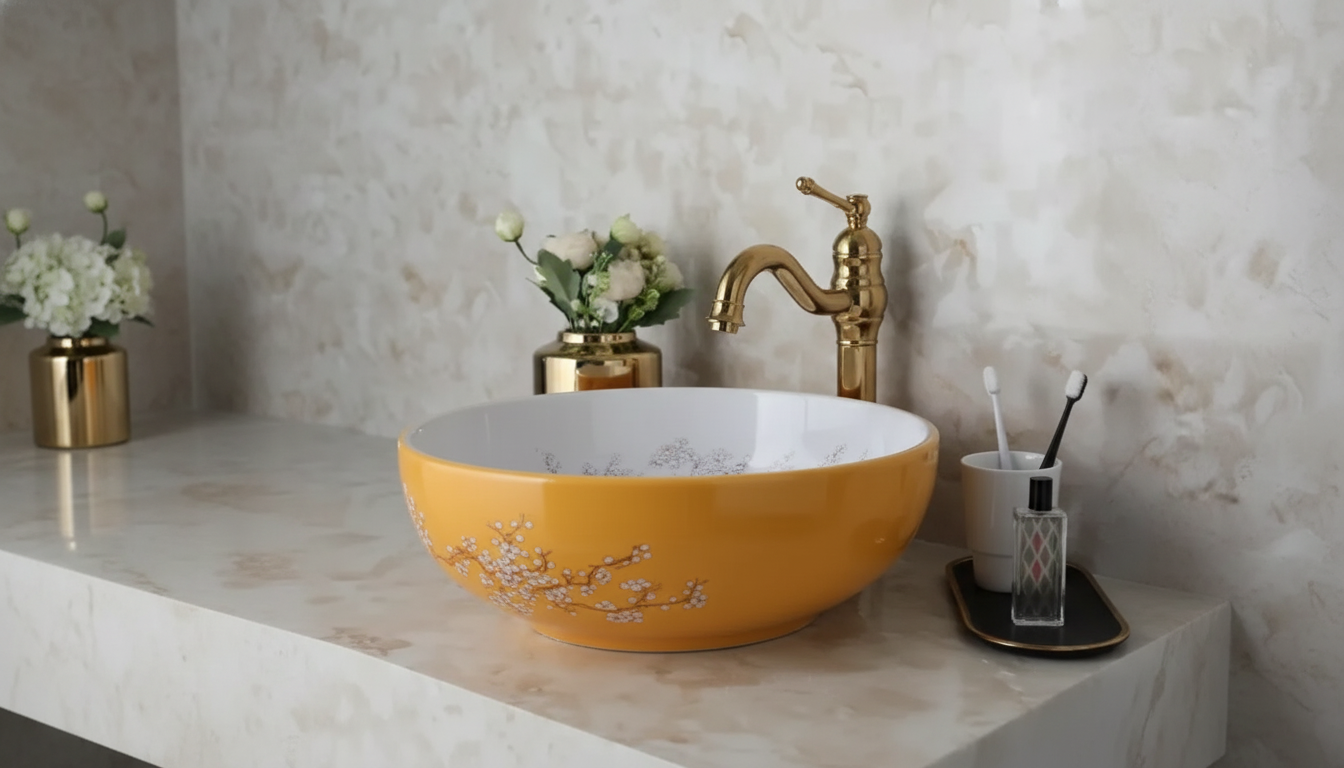
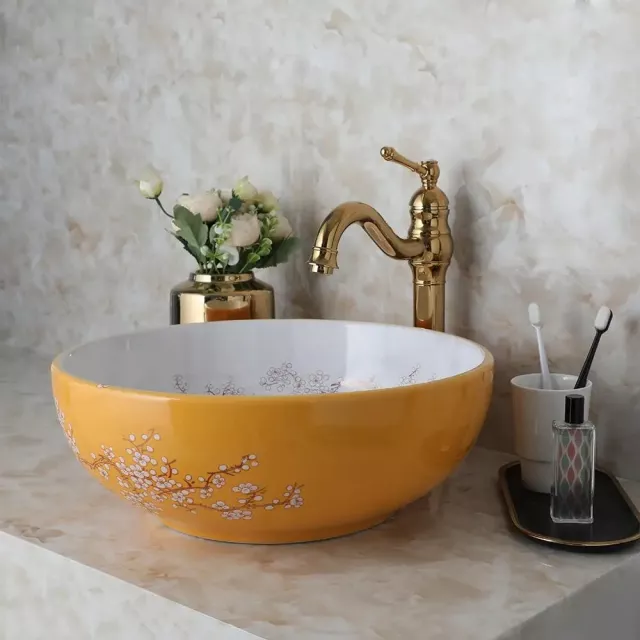
Elegant Ceramic Bathroom Basin Set with Flower Pattern and Antique Faucet
A floral ceramic basin paired with an antique-style faucet can instantly shift a bathroom toward a classic, boutique look. This set focuses on decorative impact while keeping everyday use in mind—smooth ceramic surfaces for simple wipe-downs, a coordinated faucet finish, and a statement pattern that suits vintage, cottage, and traditional interiors.
What Makes This Set Stand Out
- Flower-pattern ceramic basin creates a focal point without needing additional bold décor.
- Antique-style faucet look complements vintage mirrors, brass accents, and warm-toned lighting.
- Ceramic construction is suited to frequent handwashing and routine bathroom humidity.
- Coordinated basin-and-faucet pairing reduces the guesswork of matching finishes and styles.
Design Details That Shape the Room
A patterned basin reads like functional artwork, so the surrounding choices matter. The goal is balance: let the floral motif lead, and support it with calm, repeatable elements.
- Floral motifs pair especially well with neutral walls, natural wood vanities, and soft textile tones (linen, cream, muted green).
- Antique-inspired finishes typically look best when repeated in small touches: towel ring, cabinet pulls, or a framed mirror.
- A patterned basin benefits from simpler surrounding surfaces—solid backsplash tile or subtle stone veining keeps the vanity area balanced.
- For a cohesive look, choose lighting in warm color temperatures and avoid overly modern, sharp-edged fixtures nearby.
A simple “rule of three” for vintage cohesion
Repeat the antique finish at least three times in the vanity zone—faucet, mirror frame, and one small hardware detail—so the faucet looks intentional rather than “added later.” If the basin pattern is busy, keep countertop accessories minimal and solid-colored.
Materials and Everyday Performance
Beyond aesthetics, daily comfort comes down to surfaces that stay clean-looking and hardware that maintains its finish.
- Ceramic basins are valued for a non-porous glazed surface that helps resist staining from normal bathroom use.
- Regular maintenance is usually straightforward: gentle cleaners and soft cloths help preserve the glaze and pattern.
- Antique-style faucet finishes can show water spots depending on local water hardness; routine drying after use helps maintain appearance.
- Use non-abrasive pads and avoid harsh acids unless the faucet manufacturer specifically allows them.
For broader water-efficiency guidance when choosing bathroom fixtures, EPA WaterSense is a helpful reference point. For cleaning fundamentals and safety considerations, the American Cleaning Institute offers practical bathroom cleaning tips that align well with protecting glazed ceramic and specialty finishes.
Quick Specs and Compatibility Checklist
A decorative basin-and-faucet set is easiest to enjoy when the fit is right from day one. Measure first, then match the details: cutout, hole configuration, drain, and spout proportions.
- Confirm vanity cutout and countertop space before ordering (especially if switching from a different sink style).
- Verify plumbing compatibility: drain placement, trap clearance, and faucet hole configuration.
- Check whether a drain/stopper is included; if not, match the finish to the faucet for a unified look.
- If installing in a guest bath, prioritize splash control (countertop depth and faucet reach) to keep surfaces drier.
Pre-Install Checklist
| Item to Verify | Why It Matters | What to Measure/Confirm |
|---|---|---|
| Mounting type | Determines countertop cutout and support needs | Vanity top material, cutout size, weight support |
| Faucet holes | Ensures the faucet fits the basin/counter layout | Single-hole vs. widespread spacing |
| Drain compatibility | Prevents leaks and finish mismatch | Drain diameter and finish (antique/brass tone) |
| Spout reach and height | Reduces splashing and improves usability | Distance to bowl center; clearance for handwashing |
| Water supply lines | Avoids last-minute installation delays | Shutoff valve location and line length |
Installation Notes to Plan For
- Dry-fit components before sealing to confirm alignment between faucet, basin, drain, and supply lines.
- Use plumber’s putty or silicone where appropriate (follow fixture instructions and local code).
- Hand-tighten first, then snug gently—over-tightening can damage fittings or ceramic.
- If the vanity top is stone or specialty material, confirm recommended sealants and hole tolerances with the countertop supplier.
Care Tips to Keep the Pattern and Finish Looking New
- Wipe down the basin after heavy use to minimize soap residue and hard-water spotting.
- Clean weekly with a mild, non-abrasive bathroom cleaner; rinse thoroughly and dry with a soft cloth.
- Avoid abrasive powders and rough scrub pads that can dull glaze or wear decorative detailing.
- For hard-water areas, consider a gentle descaling routine approved for your faucet finish, or install a water softening solution if needed.
If the bathroom is used by guests often, keeping a microfiber cloth nearby can make a visible difference—quick drying helps antique-style finishes look richer and reduces mineral marks.
Styling Ideas for a Coordinated Vanity Zone
Optional add-ons to complete the boutique feel
- LED Lighted Anti-Fog Vanity Mirror (in stock)
- Meaningful Conversation Starter Guide | Printable Guide for Dating, Friendship & Networking | Deep Questions & Prompt Examples (in stock)
- Mindful Dating Red-Flag Checklist | Printable Dating Checklist for Emotional Safety & Boundaries | Spot Red Flags Early (in stock)
FAQ
Does the faucet work with standard bathroom plumbing?
Most bathroom faucets connect to standard shutoff valves and supply lines, but it’s still important to confirm the faucet hole configuration, drain size, and any local plumbing code requirements before installation.
How should a floral ceramic basin be cleaned without fading the pattern?
Use a mild, non-abrasive cleaner with a soft cloth, then rinse thoroughly and dry. Avoid harsh acids and abrasive pads, which can dull the glaze and wear decorative detailing over time.
Will an antique-style faucet finish show water spots?
It can, especially in hard-water areas and depending on the finish. Wiping the faucet dry after use and sticking to finish-safe cleaners helps keep the surface looking even and polished.















Leave a comment