Solo Travel Without Loneliness: Routines, Tips & Confidence
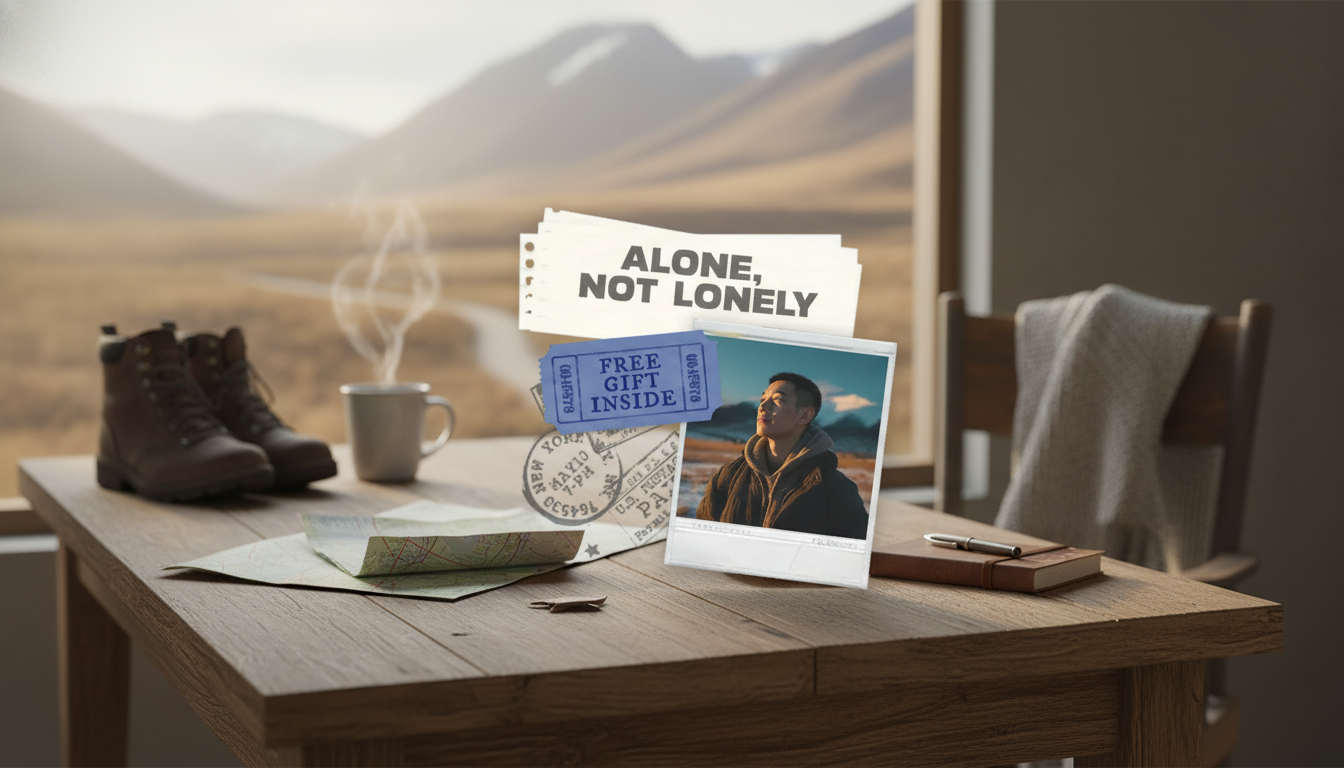
Alone, Not Lonely: A Friendly Guide to Joyful Solo Travel
Solo travel can feel exhilarating in the morning and strangely quiet by nightfall. The goal isn’t to fill every moment with company—it’s to build a trip that supports confidence, connection when desired, and genuine self-discovery. This guide breaks solo loneliness into practical moments you can plan for, with simple routines and social strategies that still protect your independence.
Why loneliness shows up on solo trips (and why it’s not a failure)
Loneliness doesn’t mean you “aren’t cut out” for solo travel. It often shows up at predictable times—especially when your brain is between activities and looking for familiar cues.
- Transitions amplify feelings: airport delays, train platforms, hotel check-in, solo meals, and evenings after sightseeing can feel oddly exposed.
- New places erase your usual micro-connections: the barista who knows your order, quick chats with coworkers, or a neighbor’s wave—small social touchpoints that quietly buffer mood.
- Comparison is a sneaky trigger: seeing couples or friend groups can intensify the sense of being “the only one,” even if your day was genuinely good.
- A more useful reframe: loneliness is a signal to adjust your day structure, not a verdict on your independence.
A simple daily rhythm that keeps solo travel joyful
A steady rhythm makes a new city feel less like a performance and more like a place you belong—even if you’re there for three days.
- Anchor the day with 2–3 “known points”: a morning walk, a mid-day café stop, and an evening wind-down plan create stability.
- Try a “two-track plan”: keep one social option (tour/class/meetup) and one solo option (museum, hike, reading spot). Choose based on energy, not guilt.
- Protect recovery time: schedule at least one low-stimulation block. Burnout often masquerades as loneliness.
- End with a small ritual: journaling, uploading photos, calling a friend, or mapping tomorrow’s first stop keeps evenings from feeling like a drop-off.
Finding connection without forcing it
Connection works best when it’s light, optional, and aligned with what you already enjoy. Aim for settings where conversation can happen naturally—and where leaving early doesn’t feel rude.
Quick fixes for lonely moments (hotel rooms, dinners, downtime)
Common loneliness triggers and fast responses
| Moment | What it can feel like | Fast response | Longer-term tweak |
|---|---|---|---|
| Arriving in a new city | Disoriented, invisible | Walk to a familiar chain café or main square | Plan a first-day routine and a low-stakes group activity |
| Solo dinner time | Left out, self-conscious | Sit at the bar or choose a busy counter spot | Book a food tour or cooking class once per destination |
| Evenings in the room | Restless, isolated | Go to a lobby/nearby café for 30 minutes | Schedule a nightly ritual: journal + tomorrow’s first stop |
| Bad weather days | Trapped, low mood | Visit a museum, market hall, or cinema | Keep a rainy-day list of indoor places in each city |
| Scrolling social media | FOMO, comparison | Put phone away and take a short walk | Limit scrolling windows; replace with photo sorting or notes |
Confidence practices for solo explorers
- Use “micro-bravery” daily: ask a question, navigate a new route, or try a local dish. Small wins compound.
- Build a safety-and-calm checklist: share your itinerary with a trusted contact, keep backups of documents, and learn local emergency numbers. For official guidance, check the U.S. Department of State – International Travel and CDC Travelers’ Health.
- Practice friendly neutrality: relaxed posture and brief eye contact invite pleasant interactions without oversharing.
- Measure progress by skills gained: navigation, resilience, decision-making—not by how many people you met.
Self-discovery that doesn’t feel like homework
If low mood starts lingering beyond travel-related triggers, it can help to learn more about mental wellbeing basics from the World Health Organization – Mental health.
A friendly companion for the trip: the eBook
If you like having a compact, practical reference while you travel, Alone, Not Lonely: A Friendly Guide to Joyful Solo Travel (eBook) is built for confident explorers who want realistic ways to handle lonely moments while staying independent. It’s especially useful for transit days, first nights in a new destination, and quiet evenings when you want a gentle plan instead of endless scrolling.
- SG109 Max 2 4K FPV Camera Drone with 3-Axis Gimbal & Obstacle Avoidance for capturing scenery and giving yourself a creative “mission” that adds structure to solo days.
- How to Value Your Car Like a Pro Before Selling or Trading if you’re funding travel by downsizing or planning a smart trade-in before a long trip.
FAQ
Is it normal to feel lonely even if solo travel was a personal choice?
Yes—loneliness commonly shows up during transitions and quiet downtime, even on trips you’re excited about. Add two daily anchors (like a morning walk and café stop), change your setting quickly when it hits, and schedule one low-pressure social activity per destination.
How can solo travelers meet people without relying on nightlife?
Pick daytime, shared-focus spaces: walking tours, cooking classes, language exchanges, volunteering, markets, and hostel common areas. Keep it easy with “one-activity” invites and set a boundary for how many social hours feel good so connection stays enjoyable.
What should be planned in advance to feel confident traveling alone?
Plan a low-stress first day (arrival routine plus one simple outing), save emergency info, and share your itinerary with someone you trust. A basic daily rhythm—anchors, one optional social plan, and an evening ritual—also makes each day feel steadier.















Leave a comment