Go Car-Free: A Practical Checklist for Real Life
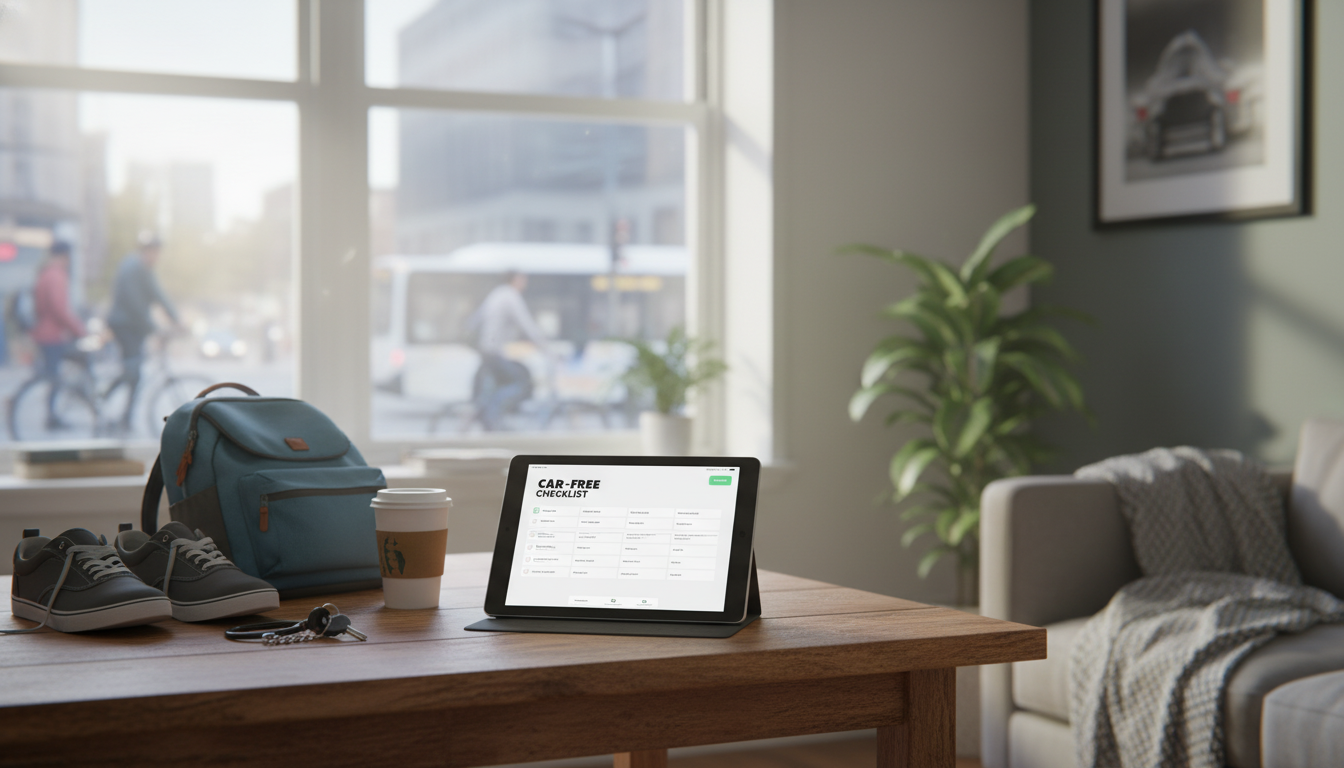
Car-Free Wins Checklist: Practical Alternatives to Owning a Car
Owning a car can feel like the default, but it is not the only workable option. A car-free plan combines a few reliable choices—transit, walking, biking, rideshare, and occasional rentals—matched to real errands, budgets, and safety needs. This checklist-style guide helps compare options, build a weekly mobility mix, and avoid the common pitfalls that make going car-free feel harder than it needs to be.
Start With a 7-Day Mobility Snapshot
Going car-free works best when it’s built around the trips you actually take, not the trips you imagine. For one week, capture a quick, honest “mobility snapshot” and highlight the moments where timing, cargo, or comfort truly matter.
- List every trip for one week: work, groceries, appointments, school, social, and unexpected errands.
- Note time windows that matter (drop-offs, shift start times, last train) and any must-carry items (bulk groceries, sports gear).
- Mark “non-negotiables” like childcare logistics, night travel comfort, and accessibility needs.
- Identify trips that happen rarely but drive car ownership (big-box shopping, out-of-town visits, weekend hikes).
| Trip type | Frequency | Time sensitivity | Cargo/constraints | Best car-free option |
|---|---|---|---|---|
| Commute | 5x/week | High | Laptop, weather | Transit + backup rideshare |
| Groceries | 1–2x/week | Medium | Bags/weight | Walk + cart, delivery, or car share |
| Appointments | 1–3x/month | High | Location varies | Transit + rideshare buffer |
| Social/errands | 2–4x/week | Low–Medium | Multiple stops | Bike + transit combination |
| Rare long trip | Few/year | Medium | Distance | Rental or intercity transit |
Build Your “Mobility Mix” (Primary + Two Backups)
The secret to sticking with a car-free lifestyle is redundancy. Choose one go-to option for most days, then set two backups before you need them.
- Choose one primary method for most days (often transit, bike, or walking) based on the snapshot.
- Pick two backups for when the primary fails: weather, delays, fatigue, late-night returns, or schedule changes.
- Create rules ahead of time (example: if transit delay is 20+ minutes, switch to rideshare; if rain, take bus instead of bike).
- Keep a small “ready kit”: transit card/app, portable charger, rain layer, reflective gear, and a small lock if biking.
If you want a printable page you can reuse for seasons and schedule changes, the Car-Free Wins Checklist: Your Ultimate Guide to Alternatives to Owning a Car is an easy way to keep your plan visible and consistent.
Alternatives That Replace Most Car Trips
Most car trips fall into a predictable set: commuting, quick errands, and social plans. The options below cover the majority of those miles when you design them as a system rather than a single replacement.
- Public transit: best for predictable corridors; improve reliability with real-time tracking apps and buffer time for transfers.
- Walking: strongest for short errands; reduce friction with a backpack, compact umbrella, and planned routes with safe crossings.
- Biking and e-biking: often the fastest in dense areas; pair with lights, helmet, lock, and a simple maintenance routine.
- Micromobility (scooters/bikeshare): useful for “last mile” gaps; keep a backup plan for availability and battery limits.
- Rideshare and taxis: ideal as an occasional pressure-release valve; set monthly caps to prevent budget creep.
For broader context on transportation patterns and trends, the U.S. Department of Transportation Bureau of Transportation Statistics (BTS) is a helpful reference point.
Occasional-Use Options for the “Hard Trips”
A car-free plan usually fails on a small number of “hard trips”: the bulky errand, the awkward schedule, or the out-of-town day. Solve those with occasional-use tools so you don’t pay full-time costs for part-time needs.
- Car sharing: good for errands that need cargo space; compare hourly vs daily pricing and parking rules.
- Traditional rentals: best for weekend trips or multi-stop days; book early for peak periods and check insurance coverage.
- Delivery services: groceries, pharmacy, and bulky items can eliminate the most car-dependent trips; schedule deliveries around home availability.
- Intercity alternatives: trains and buses can replace many regional drives; consider station access and baggage handling.
Many people also factor in environmental impact when deciding how car-light to go; the EPA’s transportation and climate overview is a solid starting point.
Money Check: Compare Car Ownership to a Car-Free Budget
| Category | Owning a car | Car-free plan |
|---|---|---|
| Insurance | Varies | 0 |
| Fuel/charging | Varies | 0–Low |
| Parking | Varies | 0–Low |
| Maintenance/depreciation | Varies | Bike upkeep + occasional rental |
| Transit + rides | Low–Medium | Medium |
If selling or trading your car is on the table, knowing its real value helps you time the change and negotiate confidently. The How to Value Your Car Like a Pro Before Selling or Trading guide can help you estimate what you’re giving up (and what you’ll stop paying for).
Make Car-Free Life Easier: Small Systems That Prevent Burnout
30-Day Car-Free Trial Plan
Use the Car-Free Wins Checklist
For additional global perspective on how transport choices affect energy use, the International Energy Agency (IEA) transport overview is a useful resource.
FAQ
Is it realistic to live without a car in a suburban area?
Yes, but it often becomes car-light rather than strictly car-free; combine transit when available, biking for short trips, delivery for bulky errands, and occasional rentals for infrequent long trips.
How can groceries work without a car?
Use smaller trips, a backpack or folding cart, choose stores on a safe route, and use delivery for heavy items; plan a backup option for weeks with time pressure.
How much money can a car-free plan save?
Savings depend on local costs and how often rideshare or rentals are used; compare insurance, parking, maintenance, depreciation, and interest against a capped monthly mobility budget.
















Leave a comment