Heatless Beach Waves: Soft, Overnight Summer Routine
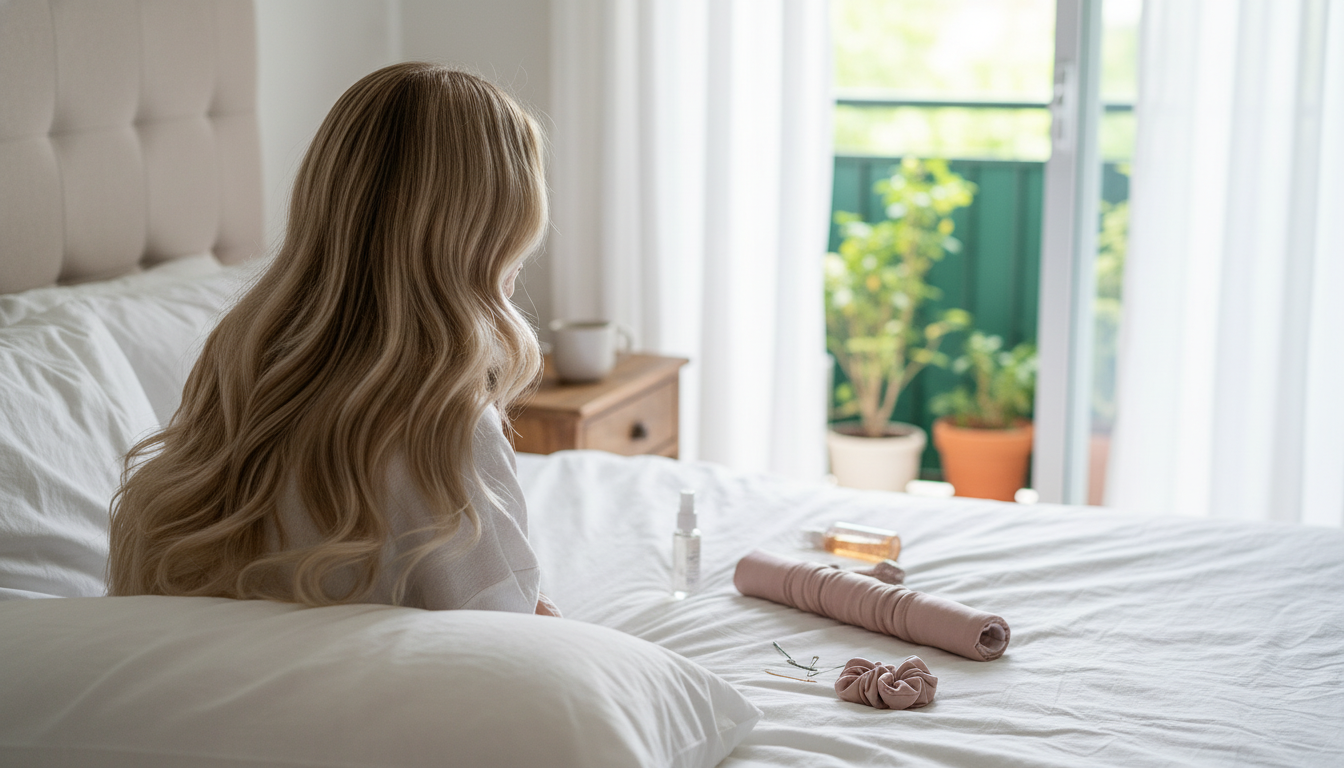
Soft Waves All Summer Long: A Heatless Beach Wave Routine at Home
Beachy waves don’t need a curling iron. With the right prep, a simple overnight set, and a few finishing habits, soft waves can look polished, touchable, and long-lasting—without exposing hair to daily heat. The key is choosing a method that matches your hair type, then letting “time do the work” while you sleep or get ready.
What makes heatless waves look like “beach waves”
Heatless beach waves look effortless because the pattern isn’t perfectly uniform. Instead of tight curls, you’re aiming for loose bends that shift direction slightly—like hair that dried after a day outside.
- Loose bends with slightly varied direction create a natural, wind-tossed pattern.
- A soft hold at the roots and mid-lengths prevents flatness while keeping ends airy.
- Texture comes more from prep products and sectioning than from tight wrapping.
- Time is the “heatless heat”: longer set time generally equals longer wear.
Quick prep for smoother, longer-lasting waves
Heatless styling is won or lost in the prep. The goal is a clean, slightly damp canvas with enough “grip” to set—without heavy product that collapses the wave.
- Start with hair that is 70–90% dry; dripping-wet hair can dry unevenly and flatten at the scalp.
- Apply a lightweight leave-in conditioner on ends if hair tangles easily; avoid heavy creams near roots.
- Add a wave-friendly styler: mousse for fine hair, salt spray for normal hair, curl cream (tiny amount) for coarse hair.
- Detangle thoroughly and part hair where it will stay—reparting after setting can break the wave pattern.
- Use a microfiber towel or soft T-shirt to blot; rough towel-drying can cause frizz that looks “puffy” instead of beachy.
For everyday hair and scalp care basics (including gentle handling and cleansing habits), see the American Academy of Dermatology Association’s guidance.
Heatless methods that work (and when to use each)
Different heatless techniques create different wave shapes. If your hair drops quickly, pick a method with more structure (like rollers). If frizz is your main issue, choose smoother wraps with fewer elastic marks.
- Twist-buns: fast, beginner-friendly, best for medium-to-long hair; creates soft, wide bends.
- Braids: most consistent for overnight sets; tighter braid = more wave definition.
- Robe-belt or ribbon wrap: great for glossy, uniform S-waves; can be gentler on ends than tight elastics.
- Pin curls: best for short-to-medium hair or layers; yields bouncier, more defined waves when brushed out.
- Sock or foam rollers: ideal for longevity and less frizz; good choice for thicker hair that drops quickly.
Heatless wave methods at a glance
| Method | Best for | Set time | Finish look | Common fix |
|---|---|---|---|---|
| Two twist-buns | Medium-to-long hair; quick styling | 2–8 hours | Loose bends, casual texture | If waves are uneven: use equal section sizes and twist away from the face |
| Two to four braids | Most hair types; reliable overnight | 6–10 hours | Beachy, separated waves | If frizzy: braid on damp (not wet) hair and smooth with a tiny leave-in |
| Robe-belt/ribbon wrap | Smoother waves; medium-to-long hair | 6–10 hours | Glossy S-waves, soft volume | If flat at roots: start wrap higher and lift roots with clips while setting |
| Pin curls | Short hair, layers, detailed control | 2–8 hours | Defined waves that brush out soft | If dents appear: use flat pins and avoid tight elastic placement |
| Sock/foam rollers | Thick hair; longer wear | 4–10 hours | Uniform waves, less frizz | If ends kink: wrap ends smoothly and secure without sharp folds |
Step-by-step: effortless overnight braid waves
If you want the most reliable “wake up and go” texture, braids are the workhorse method—especially in humid months.
Step-by-step: ribbon wrap waves for a polished beach look
Finishing touches: make waves softer, not frizzier
Reducing heat exposure helps limit breakage and dryness over time; for general context on heat damage and hair care, reference the Cleveland Clinic’s overview.
Second-day refresh: bring waves back in 5 minutes
Common problems and easy fixes
A simple routine to keep soft waves going all summer
If you’re spending long days outside, remember that UV exposure can affect hair feel and color fade; the EPA’s UV Index is a helpful reference for planning sun-safe habits.
Recommended guides (in stock)
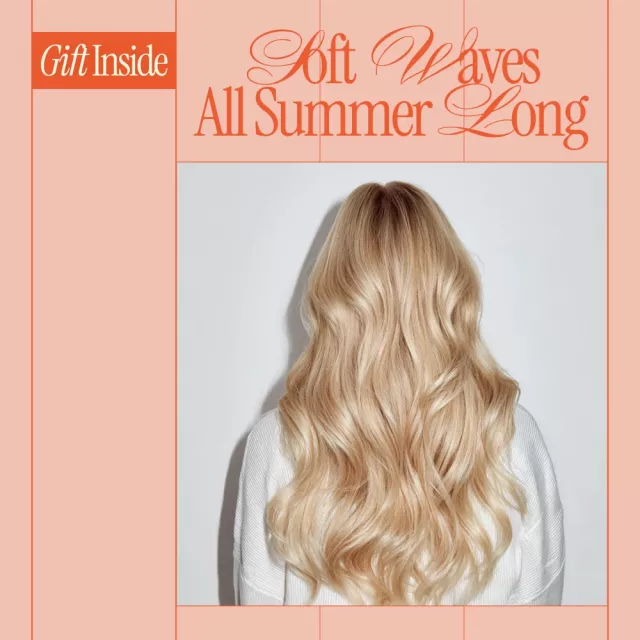
- Heatless Beach Wave Guide: Soft Waves All Summer Long (digital guide)
- How to Value Your Car Like a Pro Before Selling or Trading (digital guide)
- Calm Paws: Ending Dog Separation Anxiety (digital guide)
FAQ
How do you get beach waves without heat that last all day?
Start with hair that’s mostly dry, add a light-hold product like mousse or foam, and set for at least 6 hours when you can. After releasing, finger-comb (don’t brush) and finish with a flexible hairspray to lock in the shape.
Is it better to do heatless waves on wet or dry hair?
Damp hair (about 70–90% dry) sets the most evenly. Hair that’s too wet can dry flat at the scalp, while hair that’s too dry may need a light mist and a styler to hold the wave.
What’s the least frizzy heatless method for fine hair?
Ribbon/robe-belt wraps or soft rollers tend to create smoother waves with less puffiness. Use a small amount of mousse for grip and go easy on salt sprays if your hair feels dry or frizzes easily.












Leave a comment