Travel Anxiety Help: Fast Tools for Calm Journeys
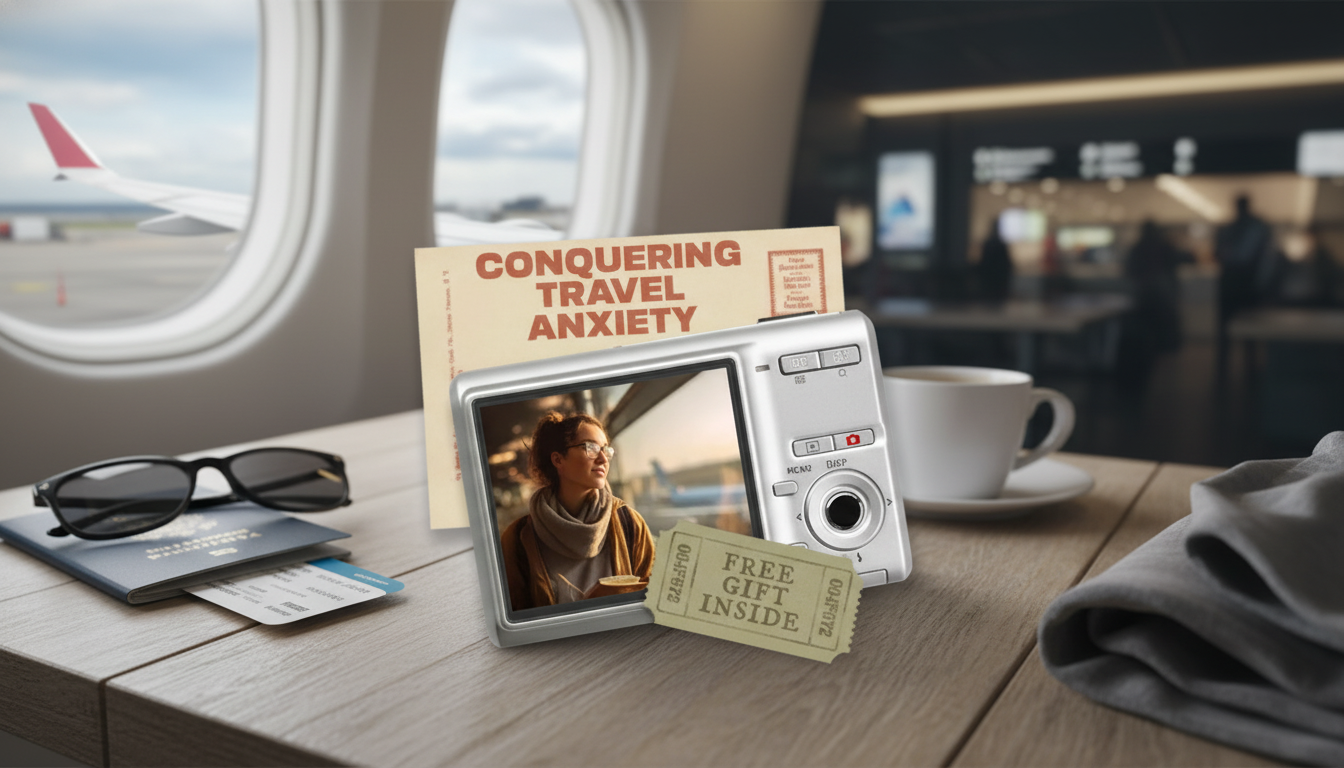
Why Travel Anxiety Happens (and Why You’re Not “Overreacting”)
Travel anxiety can show up as racing thoughts, stomach knots, irritability, or a sudden urge to cancel—even when the trip is something you genuinely want. Common signs include restless sleep before departure, worry spirals about delays, fear of crowds, panic sensations on planes or trains, or feeling “trapped” once the journey begins.
It makes sense: travel blends uncertainty, limited control, time pressure, sensory overload, and safety concerns—exactly the ingredients that can switch on the body’s threat response. A helpful reframe is that symptoms aren’t a personal failure; they’re your nervous system trying to protect you. With planning, body-based calming skills, and a few mindset shifts, you can teach your system that travel is safe enough to handle.
Know Your Triggers: Map the Moments That Spike Stress
Travel anxiety often isn’t constant; it spikes in predictable moments. Getting specific about when and where it flares gives you leverage.
Common trigger zones
- Before the trip: packing, leaving home, fear of forgetting something, check-in tasks, or doom-scrolling weather/news.
- During transit: security lines, takeoff/turbulence, tight connections, crowded stations, motion sickness, and disrupted routines.
- At the destination: language barriers, unfamiliar neighborhoods, social pressure, and decision fatigue.
A quick tracking method: jot down (1) the situation, (2) the thought, (3) the body sensation, and (4) what helped even a little. After a few trips (or even one), you’ll have a personal playbook.
Trigger-to-Tool Cheat Sheet
| Stress moment | What it often feels like | Fast coping tool |
|---|---|---|
| Packed airport/station | Overwhelm, irritability, tunnel vision | Find a visual anchor + slow exhale (inhale 4, exhale 6) for 2 minutes |
| Security or boarding line | Racing thoughts, urgency | Name 5 things you see, 4 you feel, 3 you hear (grounding) |
| Takeoff/turbulence | Tight chest, shaky hands, fear of losing control | Muscle release: tense legs/arms 5 seconds, release 10 seconds, repeat 5x |
| Delays/changed plans | Catastrophic thinking, anger | Two-column reset: “What I know” vs “What I’m assuming” |
| Hotel check-in/first night | Homesickness, hypervigilance | Familiarity kit: shower routine, calming scent, short walk, early low-stakes meal |
Pre-Trip Preparation That Actually Calms the Nervous System
Over-planning can fuel anxiety, but under-planning can do the same. The sweet spot is a “minimum viable plan” that builds real confidence without turning the trip into a spreadsheet marathon.
- Make a minimum viable plan: confirmations, key addresses, a realistic timeline, plus one backup option for each major step (transport, lodging, payment).
- Reduce decision fatigue: pre-select a few meals/nearby shops, download offline maps, and pin a couple safe “default” places (pharmacy, grocery, café).
- Pack for regulation: protein snacks, water bottle, layers, earplugs or noise-canceling headphones, sunglasses, gum, and a small comfort item.
- Mental route rehearsal: visualize leaving home, arriving, and the first 30 minutes at the destination—focus on actions (“I find my ride-share pickup”) rather than worst-case scenarios.
- Sleep and caffeine strategy: protect sleep the week of travel; avoid ramping caffeine higher than your usual baseline on travel day.
For travel safety basics and health preparation, the CDC Travelers’ Health is a reliable place to double-check practical needs (medications, destination considerations, and planning reminders).
In-the-Moment Tools for Airports, Flights, Trains, and Road Trips
When anxiety rises, your goal is not “instant calm.” Your goal is to interrupt the feedback loop—body alarm triggers scary thoughts, scary thoughts amplify body alarm—and return to the next small step.
Breathing that works under stress
Longer exhales are a simple safety signal to the nervous system. Try inhale 4 seconds, exhale 6 seconds for 3–5 minutes. If you want more guided options, the NHS breathing exercises for stress page offers clear variations.
Grounding for spirals
Gently label what’s happening: “My body is anxious; I’m safe enough.” Then orient outward: read a sign, name colors you see, notice sounds, or feel your feet in your shoes.
Body-based calm (small adjustments, big payoff)
- Press both feet into the floor for 10 seconds, then soften.
- Relax your jaw (lips gently together, teeth apart).
- Drop shoulders away from ears; soften hands.
Cognitive defusion
Swap “This is dangerous” for “This is uncomfortable, and it will pass.” It’s not positive thinking; it’s accurate thinking that reduces fear-of-fear.
Micro-distractions that signal comfort
A Simple Plan for Panic Symptoms While Traveling
For broader stress-management approaches, the American Psychological Association (APA) stress resources are a solid reference.
Medication, Therapy, and When to Get Extra Support
Putting It All Together: A Calm-Forward Travel Routine
A Ready-to-Use Companion Resource
If you want a structured, friendly reference you can pull up while packing or waiting at the gate, A Friendly Guide to Conquering Travel Anxiety: Practical Coping Strategies for Stress-Free Journeys offers practical exercises, checklists, and quick coping ideas designed for real travel conditions.
Travel can also bring social anxiety—especially with new people, group trips, or solo travel conversations. If you’d like simple prompts that reduce awkwardness and decision fatigue, keep Meaningful Conversation Starter Guide handy for gentle, low-pressure ways to connect.
FAQ
How do you calm travel anxiety quickly?
Use fast nervous-system cues: exhale longer than you inhale for a few minutes, ground through your senses (5-4-3), relax jaw/shoulders/hands, and take one small next step like sitting, sipping water, or checking the gate.
Why does anxiety feel worse right before a trip?
Anticipation combines uncertainty, time pressure, and a disrupted routine, so the brain runs “what if” simulations. A simple plan with buffers and a packing checklist reduces ambiguity and lowers threat signals.
What should be in a travel anxiety kit?
Bring hydration and protein snacks, layers, gum, earplugs or noise-canceling headphones, sunglasses, motion-sickness support if needed, a comfort item, offline maps, and a short written coping plan you can read when stress spikes.















Leave a comment