DreamAI Bedtime Stories: Calm, Personalized Adventures

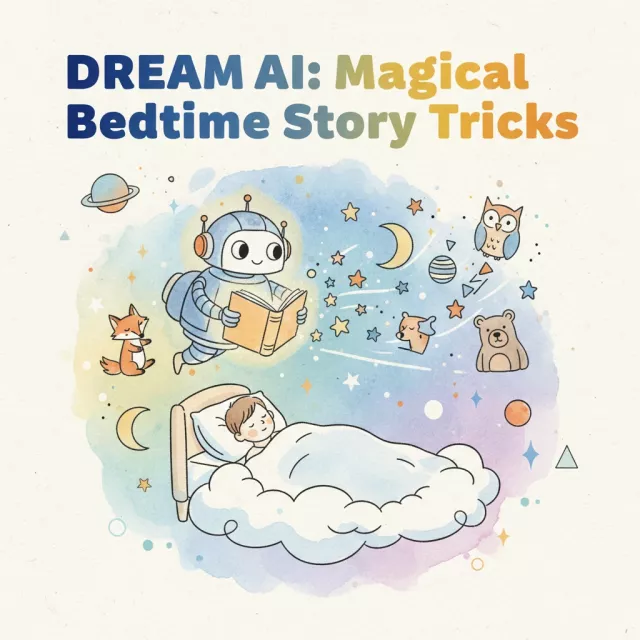
DreamAI Magical Bedtime Story Tricks: Personalized Adventures for Calmer Nights and Creative Family Moments
Bedtime stories work best when they feel familiar, soothing, and just adventurous enough to keep a child engaged without winding them up. With a few simple techniques, AI-generated tales can become a flexible storytelling toolkit—helping families personalize characters, reflect real-life feelings, and build a consistent bedtime rhythm that kids look forward to.
Why bedtime stories feel different when they’re personalized
Personalization changes a story from “something being read” to “something that’s happening to us.” A child’s name, a favorite animal, or a small nod to a recent school moment can instantly increase attention and emotional buy-in—especially when the overall structure stays calm and predictable.
- Personal details boost connection: A nickname, a beloved toy, or a favorite color makes the story feel made-to-order.
- Predictable structure supports winding down: A warm opening, a gentle challenge, and a safe resolution signals that bedtime is a soft landing.
- A repeating cast creates continuity: Returning characters and settings turn story time into a familiar ritual.
- “Emotional mirrors” help kids process the day: Brief moments of worry, pride, or frustration let kids feel understood without a lecture.
What makes an AI bedtime story work (and what can make it backfire)
Not every “good story” is a good bedtime story. The goal at night is comfort, closure, and security—so the best tales lean cozy rather than intense.
- Keep the tone calm: Cozy settings, soft sensory details, and slower pacing help bodies settle.
- Limit stakes: Skip intense peril, scary villains, or cliffhangers right before lights-out.
- Choose one clear theme: Kindness, patience, bravery in small steps, sharing, or trying again works better than a message-packed plot.
- Use consistent length: A steady 3–7 minute routine is easier to repeat than an epic adventure.
- Watch for “too exciting”: If energy spikes, pivot to a gentler ending or follow with a shorter “cool-down” micro-story.
| Age range | Best story length | Themes that land well | Avoid near bedtime |
|---|---|---|---|
| 2–4 | 2–4 minutes | Routine, comfort objects, gentle animals, simple feelings | Loud action, scary surprises, complex plots |
| 5–7 | 4–7 minutes | Friendship, learning, bravery in small steps, problem-solving | High-stakes danger, long chase scenes |
| 8–10 | 6–10 minutes | Mystery-lite, quests with safe endings, humor, teamwork | Cliffhangers, darker twists, intense conflict |
Magical bedtime story tricks that keep kids engaged without overstimulating
Small “storycraft” choices can keep attention high while keeping the nervous system calm.
- The soft hook: Open in a cozy scene (a blanket fort, a quiet spaceship cabin, a moonlit garden) before introducing a goal.
- The two-choice child input: Offer two gentle options—forest or ocean; dragon friend or robot friend—to build ownership without turning bedtime into negotiation.
- The gentle challenge: Choose obstacles like a lost mitten, a shy new friend, or a puzzle door instead of danger.
- The three beats rhythm: Setup → small challenge → reassuring resolution. Repeating this pattern nightly creates predictability.
- The comfort callback: Close with a repeating line that signals safety and ending (for example: “Safe, cozy, and ready for dreams.”).
Personalized adventures that feel like your family (without sharing too much)
Personalization can stay warm and meaningful without becoming overly specific. Think “familiar,” not “identifiable.”
- Use broad personal cues: First name or nickname, favorite color, favorite snack, a pet’s species (avoid school names, addresses, and detailed schedules).
- Turn real moments into metaphors: First-day jitters become a character learning a new “cloud classroom.” Sibling conflict becomes teamwork to fix a “friendship kite.”
- Build a mini “story bible”: Keep a short list of recurring characters, safe settings, and preferred endings so stories feel consistent.
- Let values show up naturally: Characters model apologizing, taking turns, and trying again without sounding like a rulebook.
- Try a weekly arc: Create separate episodes with complete endings so bedtime doesn’t become “just one more chapter.”
Creative family moments beyond bedtime: make stories a shared keepsake
When stories become a shared language, they spill into the week in gentle, connecting ways.
A simple nightly routine that makes AI stories feel consistent
Safety and boundaries for kid-friendly storytelling
For additional guidance on supporting kids through everyday feelings, see trusted resources like the American Academy of Pediatrics on reading aloud and UNICEF Parenting on helping children manage stress.
Getting started with DreamAI: a practical guide for story nights
If story time feels scattered, a structured resource can make it simpler to repeat what works. DreamAI: Magical Bedtime Story Tricks is designed around calm personalization, repeatable story patterns, and creative family traditions.
If you enjoy collecting practical guides and family-friendly tools alongside bedtime ideas, these in-stock options are also available: Calm Paws: Ending Dog Separation Anxiety and SG109 Max 2 4K FPV Camera Drone with 3-Axis Gimbal & Obstacle Avoidance.
Common bedtime story problems and easy fixes
FAQ
How long should an AI bedtime story be?
For ages 2–4, aim for about 2–4 minutes; ages 5–7 often do well with 4–7 minutes; and ages 8–10 typically enjoy 6–10 minutes. Keeping the length consistent helps bedtime feel predictable, and “micro-stories” (around 90 seconds) are perfect for late nights.
How can stories be personalized without oversharing personal information?
Use broad, safe details like a nickname, favorite animal, favorite color, or a cozy “home base” setting the family recognizes. Avoid school names, addresses, full names of friends, and anything that reads like a schedule.
What if my child gets scared during the story?
Name the feeling briefly (“That part felt spooky”), then pivot immediately to comfort—turn the scary element friendly or silly and move the scene to safety. End with reassurance and a familiar closing line so the body learns that stories always resolve calmly.















Leave a comment