Clean Beauty Checklist: Read INCI, Avoid Triggers, Use AI

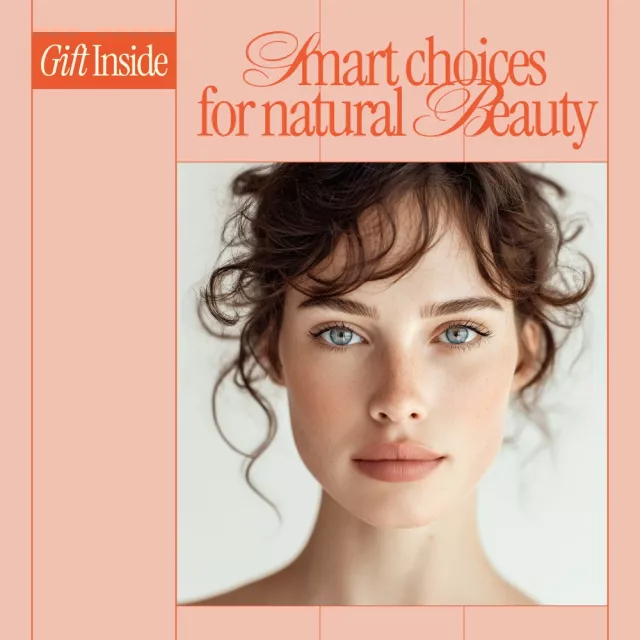
Smart Choices for Natural Beauty: A Practical Clean Beauty Guide with Ingredient Education and an AI Shopping Checklist
Natural beauty can feel simple until labels, “free-from” claims, and long ingredient lists get involved. A clear method helps: learn how ingredient lists work, understand common ingredient families, and use a repeatable checklist that fits your skin goals and sensitivities. This guide lays out a straightforward process for evaluating products, building a minimal routine, and shopping with more confidence—without relying on hype.
What “clean” and “natural” can (and can’t) guarantee
“Clean” and “natural” are popular terms, but they don’t have one universal definition across brands. That means the label alone can’t promise a product will be gentle, safer, or a better match for your skin.
- Marketing terms vary widely. A “natural” formula can still contain known irritants (including certain essential oils) or feel too heavy for acne-prone skin.
- Tolerance depends on the full formula. Concentration, pH, delivery system, and how ingredients interact matters as much as the ingredient source.
- A smarter focus: ingredient transparency, evidence-based function, and your own patch-test results.
- Look for full INCI lists plus clear directions and cautions so you’re not guessing how to use a product safely.
If you want to sanity-check basic cosmetic labeling norms and oversight in the U.S., the FDA cosmetics resource is a solid starting point.
How to read an ingredient list like a quick diagnostic
Ingredient lists (INCI names) are one of the fastest ways to predict how a product may feel and how likely it is to trigger your known sensitivities.
- Order matters—mostly. Ingredients are typically listed in descending order by weight until the 1% line; after that, ingredients can appear in any order.
- The first 5–10 ingredients usually reveal the “base” (water, oils, surfactants, silicones, fatty alcohols, key emollients).
- Group ingredients by job (hydrators, cleansers, barrier helpers, preservatives, fragrance, colorants, actives).
- Fragrance can be hidden in plain sight. It may show up as “parfum/fragrance,” essential oils, or aromatic plant extracts.
- Match marketing to reality. If a brand spotlights an active, confirm it appears high enough on the list to plausibly matter.
For a clear explanation of INCI naming conventions, see the INCI basics from the Personal Care Products Council.
Common Ingredient Families and What They Signal
| Ingredient family | Often used for | Why it matters | Notes for sensitive skin |
|---|---|---|---|
| Humectants (e.g., glycerin, hyaluronic acid) | Hydration support | Helps reduce dryness and tightness | Usually well-tolerated; pair with a moisturizer to reduce transepidermal water loss |
| Emollients/occlusives (e.g., squalane, shea butter, dimethicone) | Softening and barrier support | Improves feel and reduces moisture loss | Heavier options may feel greasy on oily skin; patch test if acne-prone |
| Surfactants (e.g., cocamidopropyl betaine, sodium cocoyl isethionate) | Cleansing and foaming | Cleansers can be the biggest irritation source | Prefer gentler surfactants; avoid over-cleansing |
| Preservatives (e.g., phenoxyethanol, potassium sorbate) | Prevent microbial growth | Essential for water-based products | “Preservative-free” can increase contamination risk; choose well-preserved products |
| Fragrance/essential oils (e.g., parfum, limonene, lavender oil) | Scent | Common trigger for irritation/sensitization | If reactive, choose fragrance-free and avoid known sensitizers |
A step-by-step clean beauty shopping checklist
Use this quick checklist to screen products in under a minute, then slow down only when something needs a closer look.
- Define your goal (hydration, acne control, redness support, anti-itch barrier care) and your “no-go” triggers.
- Confirm product type matches the need: cleanser for removal, moisturizer for barrier support, sunscreen for UV protection.
- Scan for fragrance and common irritants first. If present, decide based on your history—not a trend.
- Check preservation in any water-based product; prioritize safe use and shelf stability.
- Evaluate actives for fit and tolerance. Start low, go slow; avoid stacking multiple new actives at once.
- Assess packaging. Airless pumps can help protect unstable actives; opaque packaging helps with light-sensitive formulas.
- Plan a patch test and a two-week “one new product at a time” trial to pinpoint reactions.
If you want to dig deeper into ingredient safety evaluations, the Cosmetic Ingredient Review (CIR) database is a useful reference point for ingredient assessments.
Using AI for smarter beauty shopping (without overcomplicating it)
AI can be helpful for scanning long ingredient lists consistently—especially when you’re comparing multiple “clean beauty” options and trying to avoid known triggers.
Building a minimal natural-leaning routine that actually works
Recommended digital guides (in stock)
- Smart Choices for Natural Beauty – Natural Beauty Guide, Clean Beauty eBook, Ingredient Education, AI Beauty Shopping Checklist ($6.99): ingredient education plus a practical AI-assisted checklist to speed up label reviews and comparisons.
- How to Value Your Car Like a Pro Before Selling or Trading – Ultimate Guide to Car Valuation for Sale or Trade-In ($8.99): a checklist-driven guide for making clearer decisions when comparing options and avoiding costly mistakes.
Smart Choices for Natural Beauty eBook: what’s inside and who it’s for
The Smart Choices for Natural Beauty eBook is built for shoppers who want practical clarity—without needing to become a cosmetic chemist.
FAQ
Is fragrance-free the same as unscented?
No. “Fragrance-free” typically means no added fragrance ingredients, while “unscented” can still include masking fragrance; the most reliable check is the INCI list for “parfum/fragrance” and common fragrance allergens.
Are preservatives bad in clean beauty products?
Not inherently. Preservatives help prevent microbial growth in water-based products, and going “preservative-free” can increase contamination risk; the safer choice is a well-preserved product used as directed.
How should a new product be patch tested?
Apply a small amount to a discreet area (like the inner forearm or behind the ear) once daily for several days and watch for delayed redness, itching, or swelling. Introduce one new product at a time, and stop use if you notice burning, rash, or persistent irritation; consult a dermatologist for ongoing reactions.















Leave a comment