Chic Sun-Safe Style: UPF Clothes & Accessories Guide
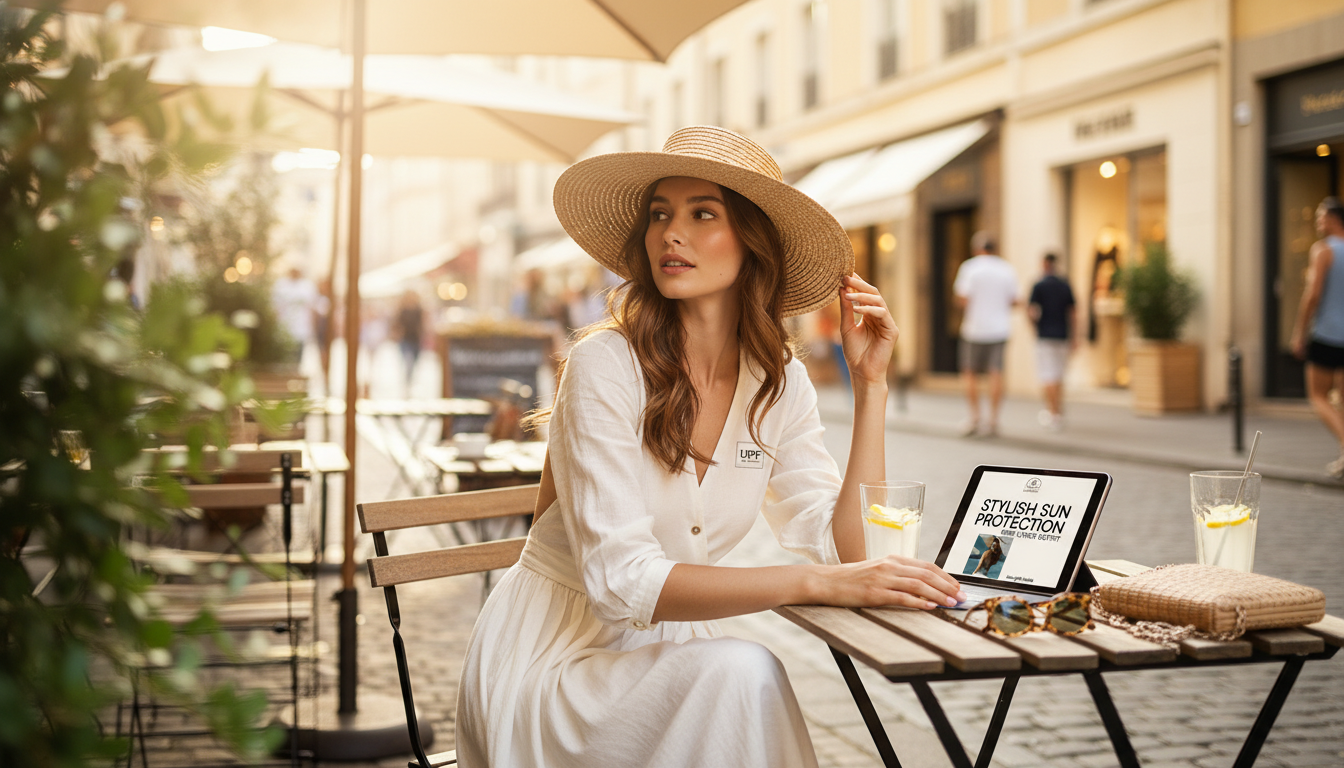
Stylish Sun Protection for Every Outfit: Chic Clothing, UPF Fabrics, and Sun-Safe Accessories
Sun protection can look polished, modern, and personal—without limiting style choices. With a few fabric cues, smart silhouettes, and the right accessories, it’s possible to build outfits that feel effortless while reducing UV exposure. The key is treating sun coverage like a set of outfit-ready decisions you can repeat all season long.
What “sun-safe style” means in real life
“Sun-safe style” is less about dressing head-to-toe in heavy layers and more about making coverage feel intentional. Start with the parts of an outfit that do the most work: higher necklines, longer sleeves, and hemlines that cover thighs and knees when you’ll be outside for a while. Wraps, shirt-jackets, and breezy overlays add protection quickly without changing your whole look.
Think of UV protection as a wardrobe system: clothing plus a hat plus sunglasses, backed up by smart timing and shade. That’s why UPF-rated pieces can be so useful—they reduce guesswork when you’re shopping for lightweight summer staples. Comfort matters too; breathable coverage is what actually stays on your body through errands, travel days, and warm-weather events.
UPF fabrics and what to look for when shopping
UPF (Ultraviolet Protection Factor) indicates how much UV radiation passes through fabric. Higher ratings generally mean more protection, which is especially helpful when you’re buying lighter garments for heat and humidity. Construction matters as much as fiber: tight weaves and dense knits typically block more UV than open, airy structures.
Also consider fit. A garment stretched tightly—think bodycon sleeves or very snug athletic wear—may allow more UV through than the same fabric worn relaxed. Finally, follow care instructions; over time, thinning, fading, and wear can reduce performance, particularly for pieces you live in all summer.
Quick guide to fabric features that influence UV protection
| Fabric/Feature | Typical feel | Best for | Style tip |
|---|---|---|---|
| Tight-woven cotton/poplin | Crisp, breathable | Shirts, shirtdresses, trousers | Choose oversized cuts for airflow without sacrificing coverage |
| Denim/chambray | Structured, midweight | Casual layers, jackets, overshirts | Use as a light outer layer for midday sun |
| Polyester/nylon blends (UPF-rated) | Light, quick-dry | Travel, beach walks, active days | Pick neutral solids to pair with statement accessories |
| Linen (lightweight) | Airy, can be sheer | Hot climates, relaxed styling | Layer with a UPF tank/tee or choose lined/denser weaves |
| Darker colors/prints | Varies | Any category | Prints can disguise layering seams and make coverage look intentional |
Outfit formulas that stay chic and covered
Accessories that elevate sun protection (without feeling costume-like)
Color, silhouettes, and styling tricks that keep outfits flattering
When clothing isn’t enough: smart sun habits that support the wardrobe
Clothing does a lot, but small habit upgrades make your outfits more effective—especially on high-UV days. Checking the UV Index helps you decide when to add a hat, reach for longer sleeves, or plan more shade breaks. The CDC’s overview is a helpful reference for day-to-day planning: CDC — UV Index: What You Need to Know.
Timing matters too. Early morning and late afternoon often feel better for both comfort and coverage than midday. Use sunscreen on exposed areas (hands, face, neck, and any gaps at hems) as a complement to clothing; the FDA explains how to use sunscreen effectively: FDA — Sunscreen: How to Help Protect Your Skin from the Sun. And in reflective environments like water, sand, or snow, add more eye and skin protection—UV can bounce up into places clothing doesn’t cover.
For deeper guidance on why sun-protective clothing matters (and what features to prioritize), the Skin Cancer Foundation offers a clear overview: Skin Cancer Foundation — Sun Protective Clothing.
A practical way to build a sun-safe capsule wardrobe
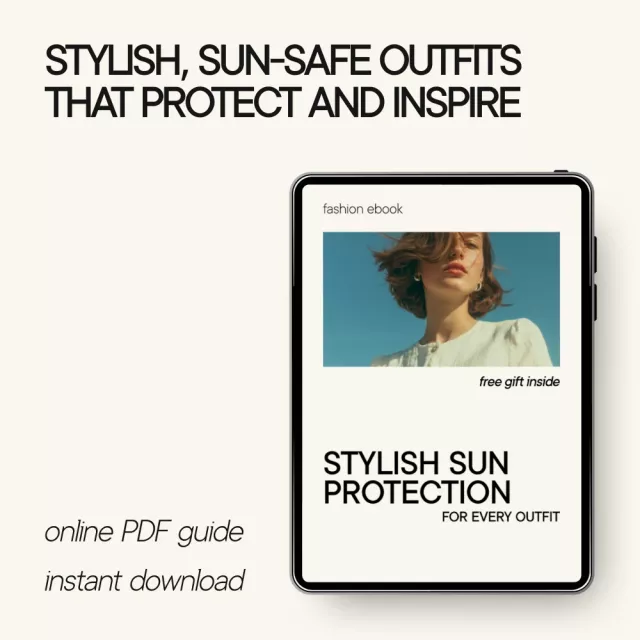
Pick a consistent palette—neutrals plus one accent color—so mixing and matching stays easy. Upgrade one item at a time, starting with the pieces you wear outdoors the most (commute layer, weekend top, travel set). If you want a step-by-step system for building outfits around coverage, keep a dedicated reference on hand: Stylish Sun Protection for Every Outfit (instant download eBook).
Extras for outdoor plans and travel days
If sun-safe style is part of a bigger lifestyle—weekend hikes, beach days, or sightseeing—your gear can support your routine. For capturing outdoor moments (and scouting shade or scenic routes), consider travel-friendly tech like SG109 Max 2 4K FPV Camera Drone with 3-Axis Gimbal & Obstacle Avoidance. And if summer includes road trips or a vehicle swap before vacation season, a prep resource like How to Value Your Car Like a Pro Before Selling or Trading can help you plan with fewer surprises.
FAQ
What does UPF mean, and what rating is considered good?
UPF measures how much UV radiation a fabric allows through; higher numbers mean more protection. UPF 30 is a solid baseline for regular outdoor wear, while UPF 50/50+ is a popular choice for long days outside—especially in lightweight garments where protection can vary. Coverage, fit, and fabric condition still matter even with a UPF label.
Do darker colors always protect better than lighter colors?
Darker colors often absorb more UV than lighter shades, but they’re not a guarantee of better protection. Weave/knit density, fiber content, stretch, and whether the fabric becomes sheer (or wet) can change how much UV gets through. When possible, prioritize UPF-rated items and tighter constructions over color alone.
Can regular clothing be sun protective without a UPF label?
Yes—many regular garments protect well if they’re made from denser fabrics and provide good coverage. A simple check is holding the fabric up to light: if it looks very sheer or open, it may let more UV through (especially when stretched). UPF-rated pieces are most helpful for very lightweight summer clothing where protection is harder to judge by feel alone.












Leave a comment