Beginner Upcycling Clothes: Easy Projects That Look Intentional
Upcycling Made Simple and Actually Fun: A Beginner’s Guide to Upcycling Clothes
Upcycling turns the clothes already in the closet into pieces that feel new again—without needing advanced sewing skills or expensive tools. With a few beginner-friendly techniques, it becomes easy to refresh fit, add personality, and extend the life of everyday items while keeping the process light, creative, and low-pressure. It also aligns with the “reduce and reuse” approach encouraged by organizations like the U.S. EPA and broader conversations about fashion’s footprint from groups like UNEP.
What upcycling is (and why it feels different from DIY alterations)
Upcycling is less about making a garment look untouched and more about giving it a new look, function, or vibe. Instead of chasing an “invisible fix,” you’re allowed to make the change part of the design. That’s exactly why beginners often enjoy it more than traditional tailoring.
- Upcycling focuses on transformation—cropping, patching, dyeing, swapping closures—rather than perfectly hidden repairs.
- Small changes deliver big wins: shorten a tee, add a patch, replace buttons, or rework a hem.
- A helpful mindset shift: aim for “better and wearable,” not “factory perfect.”
- Best starter garments: oversized tees, denim jackets, button-downs, and anything with stains or minor damage in low-visibility areas.
Starter kit: the few tools that make everything easier
You don’t need a studio setup. A small, reliable kit removes friction and keeps projects from turning into all-day events.
- Must-haves: fabric scissors, seam ripper, pins or clips, measuring tape, and a hand needle + thread in neutral colors.
- Nice-to-have upgrades: washable fabric marker/chalk, iron (or mini steamer), and a basic thimble for hand-sewing comfort.
- No-sew helpers for quick projects: iron-on hem tape, fabric glue (used sparingly), and fusible interfacing for stabilizing thin fabric.
- Budget approach: borrow an iron, start with hand stitches, and upgrade to a sewing machine only after a few successful projects.
Beginner tools and what they’re best for
| Tool | Best use | Beginner tip |
|---|---|---|
| Seam ripper | Undoing seams and labels cleanly | Work slowly; cut every 3–4 stitches, then pull the thread out |
| Fabric scissors | Cutting fabric without fraying edges too much | Keep them for fabric only—paper dulls blades fast |
| Pins or clips | Holding folds and layers before sewing | Clips are easier on thick denim; pins are better for light cotton |
| Iron or steamer | Crisp folds, clean hems, flatter seams | Press before measuring—wrinkles change lengths |
| Needle + thread | Hems, patches, quick fixes | Use backstitch for strength on stress points |
Pick the right garment: quick checks before starting
The easiest upcycling projects usually start with the right “blank.” A quick pre-check saves time and prevents that mid-project regret feeling.
- Fabric check: cotton and denim are forgiving; very stretchy knits and slippery synthetics are trickier at first.
- Fit check: choose pieces that are slightly too big rather than too small—more fabric gives more options.
- Damage check: stains, holes, and worn elbows are perfect “design prompts” for patches, panels, or dye.
- Time check: start with projects that take 30–90 minutes to keep momentum and confidence high.
Four beginner projects that look intentional (even if skills are basic)
When you’re new, the goal is an obvious improvement with minimal steps. These ideas are designed to look deliberate even if your stitching isn’t perfect yet.
Project 1: Cropped tee with a clean hem
Try it on, mark your ideal length, then measure from the shoulder seam down so both sides match. Cut, fold up twice, press, and either stitch or use hem tape. A clean hem instantly changes the proportions of an oversized shirt.
Project 2: Denim patch upgrade
Cover a worn area with contrasting fabric and topstitch around the edges. Let the patch be visible on purpose—raw edges, contrast thread, and bold shapes can read as design, not “fix.”
Project 3: Button swap on a shirt or jacket
Replacing buttons is one of the highest-impact, lowest-effort upgrades. Choose a consistent style (all matte metal, all tortoiseshell, all bright color) so the change looks cohesive.
Project 4: Simple side-slit or split hem
Make it fun: easy ways to stay creative without overthinking
Common mistakes (and fast fixes that save the project)
Care and longevity: help the upgrade last
A beginner-friendly guide to keep nearby while making
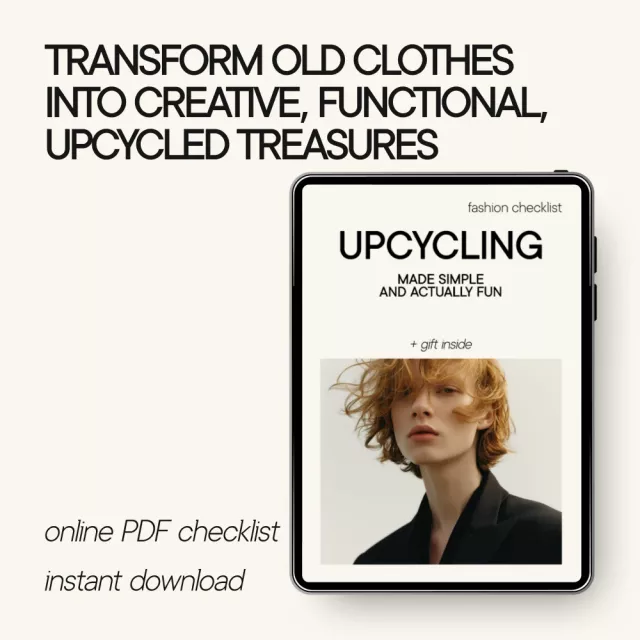
If you want step-by-step direction you can follow without guesswork, Upcycling Made Simple and Actually Fun: A Beginner’s Guide to Upcycling Clothes is designed for quick wins: what to start with, what to avoid early on, and how to finish so it looks intentional. It’s especially handy for first projects (hems, patches, button swaps) and for building confidence with simple stitches that hold up to real wear.
More guides available
- Calm Paws: Ending Dog Separation Anxiety – Ultimate Guide to Calming Your Dog’s Anxiety with Proven Techniques, Case Studies & AI Prompts
- How to Value Your Car Like a Pro Before Selling or Trading – Ultimate Guide to Car Valuation for Sale or Trade-In
FAQ
Can upcycling be done without a sewing machine?
Yes. Iron-on hem tape, iron-on patches, and small amounts of fabric glue can handle quick upgrades, and basic hand stitches like running stitch and backstitch are strong enough for many hems and patches.
What clothes are easiest to upcycle for a first project?
Oversized tees, denim jackets, and button-downs are great starters because stable fabrics are easier to cut and press, and extra room gives you more flexibility for hemming, patching, and reshaping.
How can an upcycled piece look intentional instead of messy?
Limit the changes to one or two, match thread color when you want a clean look, press seams and hems, and repeat a detail (like the same button style or the same patch fabric) so the piece feels cohesive.













Leave a comment