10-Minute Bedtime Meditation to Quiet Anxiety Fast
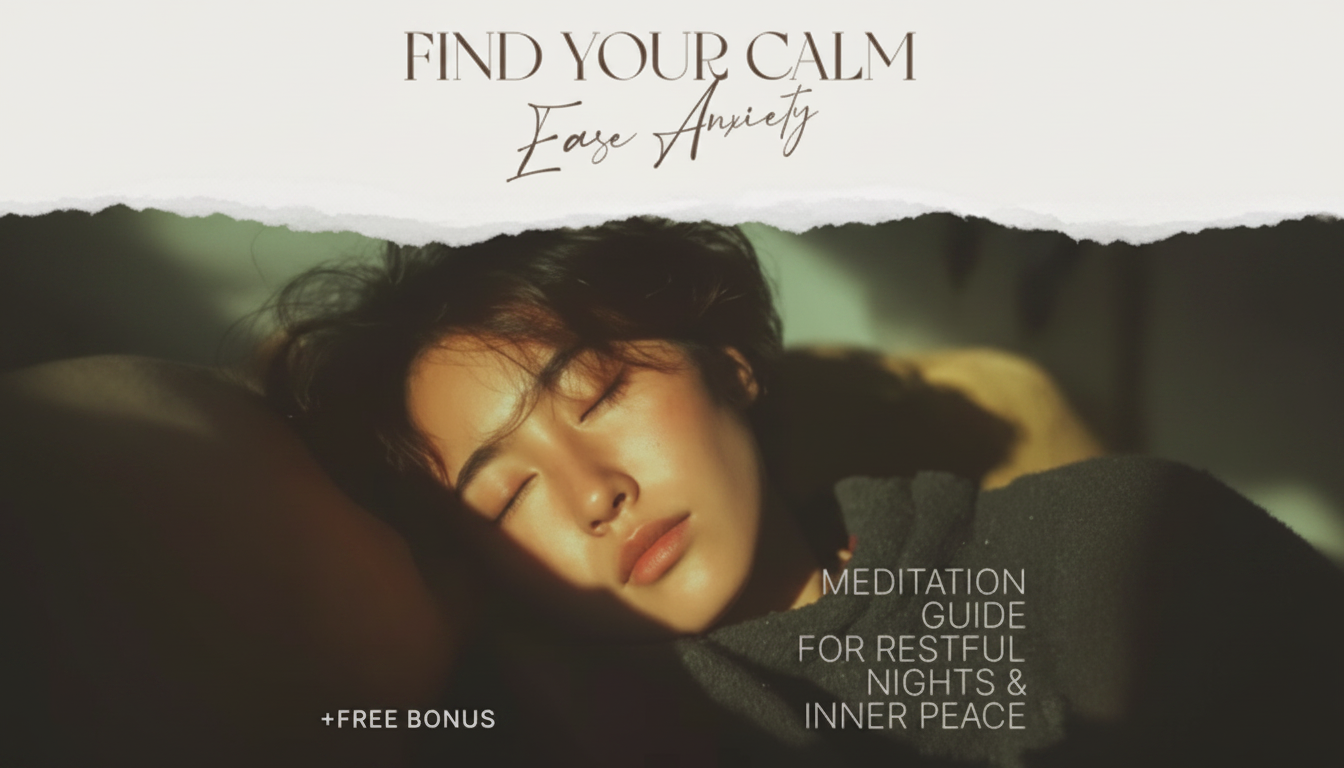
Find Your Calm: A Simple Meditation Practice for Easier Anxiety and Restful Sleep
Racing thoughts at night can keep the body alert long after the day ends. A short, repeatable meditation routine helps downshift the nervous system, reduce spiraling worry, and create consistent cues for sleep—without needing special equipment or long sessions. The approach below is designed to feel doable on tired nights, while still building steadiness over time.
Why Anxiety Feels Louder at Night
Nighttime anxiety often isn’t “more anxiety”—it’s simply anxiety with fewer places to hide.
- Fewer distractions can make worries more noticeable, especially after a busy day.
- Stress hormones and stimulation (screens, caffeine, intense conversations) can delay the body’s natural wind-down.
- Trying to force sleep can increase pressure and create a loop: worry about sleep → more arousal → less sleep.
- A calming practice works best when it becomes a predictable signal that the day is ending.
That’s why the goal isn’t perfect relaxation on command. It’s a consistent “off-ramp” that tells your brain and body: the problem-solving portion of the day is over.
The Core Skill: Shifting From Thinking to Sensing
Meditation for sleep is less about “emptying the mind” and more about changing where attention rests.
- Use the body as an anchor: breath sensations, contact points (pillow, sheets), or a gentle scan from head to toe.
- When thoughts pull attention away, label them briefly (“planning”, “remembering”, “worrying”) and return to sensation.
- Progress is measured by returning again and again—not by never getting distracted.
This shift matters because anxiety is fueled by mental time travel. Sensing brings attention back to what’s happening now—often quieter, slower, and safer than what the mind is predicting.
A 10-Minute Night Practice That Builds Calm
Use this as a simple nightly sequence. If sleep arrives mid-practice, let it. If not, finish gently and keep stimulation low (dim lights, no scrolling, minimal conversation).
10-minute bedtime routine you can repeat nightly
| Time | Focus | What to do | If anxiety spikes |
|---|---|---|---|
| 0–2 min | Settle | Adjust posture; unclench jaw; slow the exhale | Open the eyes briefly; name 3 things seen; return to breath |
| 2–5 min | Breath anchor | Feel air moving at nostrils or belly | Count exhalations from 1 to 10, then restart |
| 5–8 min | Release | Pair each exhale with “soften” or “let go” | Label thoughts (“worrying”) and return to the phrase |
| 8–10 min | Body scan | Forehead → neck → chest → belly → legs → feet | Spend extra time on shoulders and hands, then resume scan |
Keep the tone gentle. When you notice you’re “trying hard,” treat that as a cue to reduce effort: soften the forehead, relax the tongue, and let the next exhale be easy rather than controlled.
Small Tweaks That Make Meditation More Effective for Sleep
- Keep sessions short at first (5–10 minutes) to avoid turning practice into a performance test.
- Use a consistent cue: same time, same spot, same lighting—routine trains the brain to anticipate rest.
- Aim for a longer exhale than inhale (comfortable, not forced) to encourage relaxation.
- Try a gentle sound boundary: white noise or a fan can reduce sudden attention spikes.
- Avoid problem-solving in bed; capture concerns on paper earlier in the evening to reduce mental load.
For additional, evidence-informed sleep relaxation ideas, the Sleep Foundation’s relaxation techniques guide is a helpful overview.
What to Do When Thoughts Won’t Stop
Some nights, the mind won’t cooperate—and that’s normal. The practice is learning how to respond without escalating the struggle.
- Use “permission statements”: “Thinking is normal. Returning is the practice.”
- Switch anchors if needed: breath → hands → feet → sounds, choosing the easiest sensation to feel.
- Try the “three-part breath check”: where breath is felt, what emotion is present, and where tension sits in the body.
- If panic symptoms rise, ground with slow sensory naming (5-4-3-2-1) and return only when settled.
- Persistent or worsening anxiety and insomnia can benefit from professional support (CBT-I, therapy, medical evaluation).
If you’d like more context on mindfulness benefits and common experiences (including restlessness), the American Psychological Association’s mindfulness overview and the NCCIH meditation and mindfulness page are solid starting points.
How the Guide Fits Into Real Life
A Simple Resource for Restful Nights and Inner Peace
- Find Your Calm: The Simple Practice That Eases Anxiety and Brings Better Sleep | Meditation Guide for Restful Nights & Inner Peace — a straightforward, bedtime-friendly structure designed to ease anxiety and make sleep more attainable through a simple nightly practice.
- Meaningful Conversation Starter Guide | Printable Guide for Dating, Friendship & Networking | Deep Questions & Prompt Examples — helpful for lowering “unfinished conversation” stress by supporting clearer connection earlier in the day.
- Mindful Dating Red-Flag Checklist | Printable Dating Checklist for Emotional Safety & Boundaries | Spot Red Flags Early — a practical tool for reducing relationship-based anxiety by clarifying boundaries and emotional safety signals.
FAQ
How long does it take for bedtime meditation to help with sleep?
Some people feel calmer after the first session, but sleep often improves most with consistency over 2–4 weeks. A predictable routine (same steps, same time) tends to work better than pushing for immediate results.
What if meditation makes anxiety feel stronger at first?
That can happen when quiet makes sensations and thoughts more noticeable. Try shorter sessions, keep your eyes slightly open, and use body-based anchors like hands or feet; if distress is intense or doesn’t improve, professional support can help.
Is it better to meditate in bed or before getting into bed?
In-bed practice can strengthen the association between meditation and sleep, but if insomnia is persistent, meditating in a chair just before bed may reduce pressure and keep the bed linked to sleeping. Either way, keep the environment dim and low-stimulation.














Leave a comment