End Dog Separation Anxiety: Calm Paws Training Plan
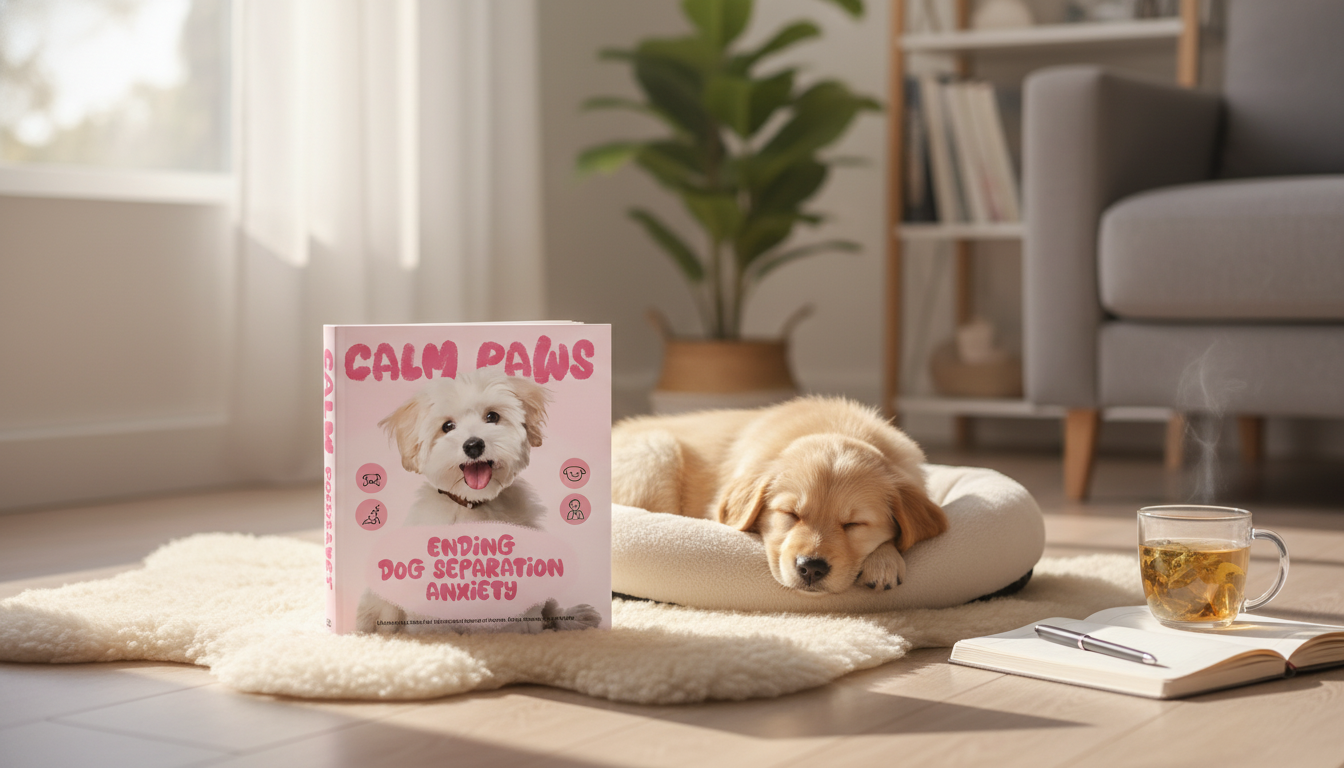
Calm Paws: Ending Dog Separation Anxiety
Separation anxiety can look like barking, destruction, pacing, or accidents when a dog is left alone. A practical plan focuses on lowering panic, building independence skills, and changing the dog’s emotional response to departures—step by step and at the dog’s pace.
What separation anxiety looks like (and what it isn’t)
True separation anxiety is less about “bad behavior” and more about distress that spikes when attachment figures leave. Many dogs show a predictable pattern that starts quickly after departure.
- Common signs: vocalizing shortly after you leave, escape attempts, destructive chewing near doors/windows, drooling, trembling, pacing, and house-soiling despite being trained.
- How it differs from boredom: boredom behaviors often happen intermittently and improve with exercise/toys, while anxiety escalates rapidly after departure and may include panic physiology (heavy panting, frantic scanning, inability to settle).
- Triggers to note: picking up keys/shoes, closing interior doors, pre-departure routines, time of day, and being left in a crate vs. free-roam.
- Why punishment backfires: it increases stress and can intensify the association with being alone, making future departures harder.
A quick home assessment before training starts
Before practicing alone-time, set yourself up for clean data and fewer setbacks.
- Rule out medical causes: urinary issues, GI upset, pain, and senior cognitive changes can mimic or worsen anxiety.
- Check the environment: confirm access to water, a comfortable temperature, and consider noise exposure (construction, hallway sounds) and visual triggers outside windows.
- Capture baseline data: video the first 30 minutes after departure; note latency to the first stress behavior and peak intensity.
- Decide on temporary management: sitter/daycare/working from home can prevent repeated panic episodes while training is underway (rehearsing panic tends to deepen the pattern).
Foundations that make alone-time training work
Graduated training goes smoother when daily life is predictable and your dog has practice being calm while you move around the home.
- Predictable daily rhythm: consistent meals, walks, and rest reduce overall arousal and make the day feel easier to navigate.
- Independence skills at home: build brief “settle” periods on a mat, baby-gate time with a chew, and calm separation within the house (you in the kitchen, dog behind a gate chewing).
- Exercise without over-arousal: aim for decompression walks and sniffing rather than only high-intensity play, which can leave some dogs “tired but wired.”
- Teach a relaxation cue: reinforce calm postures (hip-shifted sits, soft eyes, sighs, head down) with quiet rewards so calm becomes a practiced skill.
Graduated departures: the core technique
The heart of separation anxiety training is structured, sub-threshold practice—meaning your dog stays calm enough to learn. If panic starts, learning stops.
For evidence-based, welfare-forward guidance, resources from the American Veterinary Society of Animal Behavior (AVSAB) and the ASPCA offer helpful background on fear-based behavior and why humane methods matter.
Tools that support the plan (without replacing training)
Common calming techniques and when to use them
| Technique | Best for | How to start | Signs to pause or simplify |
|---|---|---|---|
| Graduated departures | True separation anxiety | Begin with sub-threshold absences and track time calmly | Panting, frantic scanning, escape attempts, nonstop barking within the first minute |
| Desensitizing departure cues | Dogs stressed by keys/coat/door routines | Practice cues repeatedly without leaving, then pair with calm rewards | Dog freezes, follows tightly, drools, or vocalizes during cue practice |
| Enrichment feeding | Mild-to-moderate distress; adds calm activity | Offer a durable chew only during alone-time practice | Dog ignores food, refuses chews, or escalates despite enrichment |
| Mat/settle training | General over-arousal and clinginess | Reward relaxed body language on a mat; add short distance | Dog cannot disengage, repeatedly gets up, or vocalizes when you step away |
| Noise management | Sound-sensitive dogs or outside triggers | Add white noise/music and reduce window exposure | Dog startles frequently or scans the environment constantly |
Case snapshots: what progress can look like
When to get professional help
Using Calm Paws as a step-by-step plan
If a repeatable, trackable routine makes consistency easier, Calm Paws: Ending Dog Separation Anxiety – Ultimate Guide to Calming Your Dog’s Anxiety with Proven Techniques, Case Studies & AI Prompts organizes the process into practical stages.
For personal consistency and skill-building (the part that often determines follow-through), Trust Yourself, Skill by Skill: A Guide to Building Self-Trust by Learning New Skills can pair well with a training plan when you’re rebuilding routines after months of stressful departures.
A simple weekly routine to stay consistent
FAQ
How long does it take to improve dog separation anxiety?
Many dogs improve over weeks to months, depending on severity, history, and how consistently panic is prevented during training. Early wins often look like calmer body language and quicker recovery after a short absence before you see big increases in duration.
Should a dog with separation anxiety be crated?
It depends on the dog: some feel safer with a predictable, cozy space, while others panic when confined. If you see frantic escape behavior, heavy drooling, or nonstop vocalizing in a crate, try a gated room or small dog-proofed area and test with short, monitored sessions.
What if my dog won’t eat treats when I leave?
Refusing food is often a sign your dog is over threshold and too stressed to engage. Shorten the absence, simplify the setup, and try a higher-value or longer-lasting chew only during practice sessions while focusing first on calm, sub-threshold repetitions.











Leave a comment