Declutter Tonight for Better Sleep: Bedroom + Phone Reset
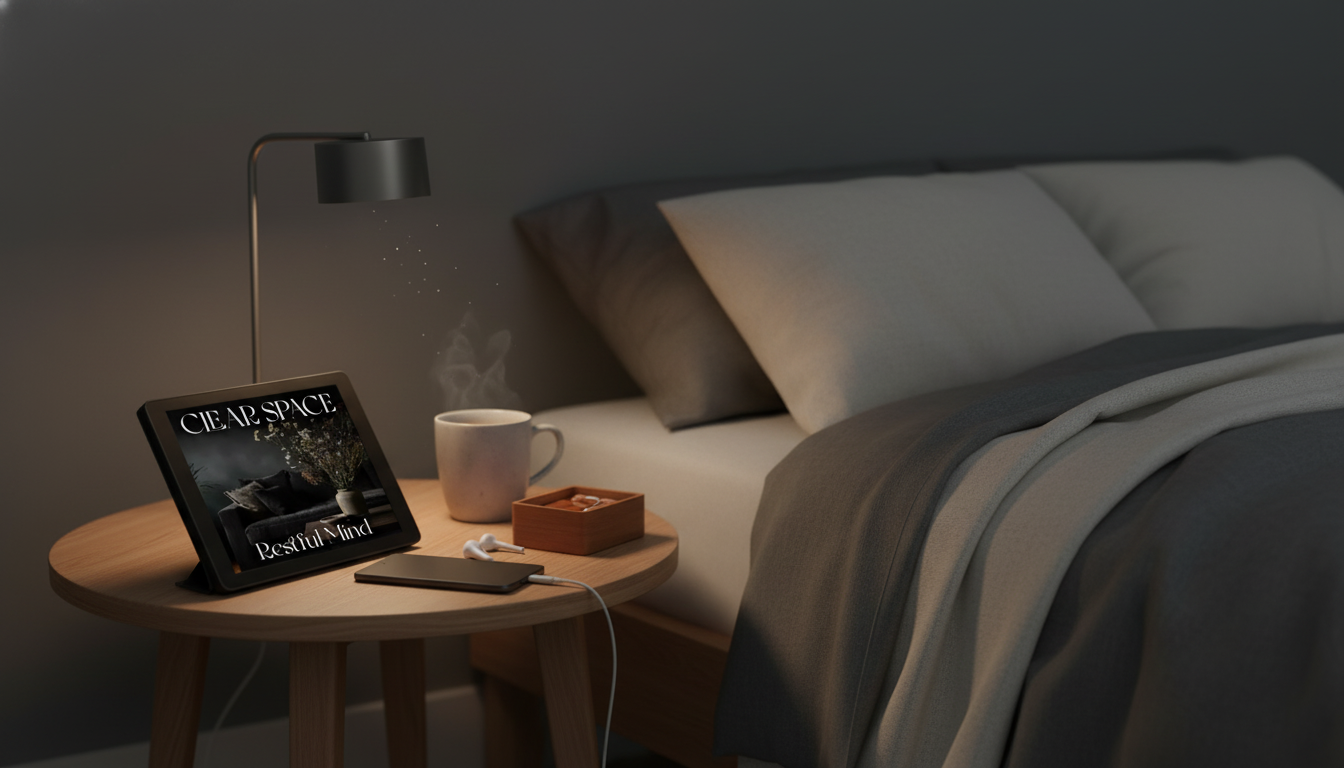
Clear Space, Restful Mind: How Clutter Affects Sleep and What to Do Tonight
Clutter isn’t only a visual problem—it can keep the brain in a low-grade “on” state that makes it harder to fall asleep, stay asleep, and wake up feeling restored. A calmer bedroom and a cleaner digital environment reduce decision fatigue, nighttime scanning, and stress cues, making it easier to transition into rest.
Why clutter can disrupt sleep (even when it feels “normal”)
Many bedrooms slowly become catch-all spaces. The tricky part is that once you’re used to it, the mess can feel invisible—while your nervous system still reacts to it.
- Clutter creates constant micro-signals for attention. Unfinished tasks, misplaced items, and visual noise can trigger a mental to-do list right when you’re trying to power down.
- Disorder can nudge stress physiology. Environmental chaos can make it harder to shift into a relaxed state—especially if clutter is tied to money, work, or time pressure. The American Psychological Association describes how stress affects the body in ways that can interfere with recovery and rest.
- A multi-purpose sleep space weakens sleep cues. When the bedroom becomes a work zone, storage area, and scrolling station, your brain gets fewer signals that “this place equals sleep.”
- It can become a loop. Poor sleep reduces energy for tidying; the clutter grows; nighttime stress increases; sleep worsens.
Common “sleep blockers” hiding in plain sight
Not all clutter is loud. Some of the most disruptive “noise” is subtle.
- Bedroom hotspots: piles on chairs, crowded nightstands, laundry baskets, and floor clutter that invite last-minute organizing or worry.
- Visual clutter vs. functional clutter: even neat stacks can keep the brain alert if they represent unfinished decisions (returns, paperwork, “I’ll deal with it later”).
- Scent, light, and sound clutter: bright indicator lights, noisy chargers, buzzing power bricks, and lingering odors can increase arousal without you realizing it.
- Digital clutter that follows you to bed: notifications, too many open tabs, and an uncurated camera roll can lead to “just one more minute” scrolling.
A simple reset: reduce cues, reduce cognitive load
Better sleep doesn’t require a perfect bedroom. It requires fewer cues that tell your brain to stay alert.
- Aim for “sleep-forward” design: keep only what supports winding down (lamp, book, water, tissues, charger with dim light).
- Use containment instead of perfection: a small tray, one basket, or a single drawer for bedtime essentials reduces visual noise fast.
- Create a 2-minute closing routine: return items to their homes, clear the nightstand, and set out the next day’s essentials.
- Pick one “no-clutter zone”: make the bed and nightstand non-negotiable anchors; momentum tends to spread from the easiest win.
Bedroom decluttering that supports better rest (fast, realistic steps)
Think of this as “sleep hygiene for your environment.” The Sleep Foundation emphasizes consistent cues and routines; your room can either support those cues or compete with them.
- Start with the floor: a clear walking path reduces subconscious vigilance and makes the room feel calmer immediately.
- Clear the nightstand: remove anything that signals work, errands, or unfinished projects; keep only 3–5 sleep-supporting items.
- Handle clothing quickly: use a “worn again” hook or one bin; avoid chair piles that become visual reminders.
- Remove “decision clutter”: items that require choices (returns, donations, repairs) go into one labeled container outside the bedroom.
- Minimize sleep disruptors: cover or unplug bright LEDs, reduce charging-station sprawl, and keep the bed for sleep (and intimacy) only.
Quick bedroom reset: what to remove vs. what to keep
| Area | Remove or relocate | Keep (sleep-supporting) |
|---|---|---|
| Nightstand | Bills, receipts, random cables, work devices | Lamp with warm bulb, book/reader, water, tissues |
| Bed | Laundry, bags, laptops | Pillow(s), breathable blanket, comfort item if desired |
| Floor | Shoes, boxes, clutter piles | Clear path; one small basket if needed |
| Lighting | Bright overhead bulbs, blinking LEDs | Warm light; dimmable lamp; blackout solution if needed |
| Storage visible | Open piles, overflow shelves | Closed bins; one curated surface (plant/photo) |
Digital decluttering for better sleep (the part most people miss)
If your phone is the last thing you see at night, digital clutter can function like bedroom clutter—only faster, louder, and more emotionally charged. For baseline sleep practices, the National Heart, Lung, and Blood Institute highlights habits that support consistent rest, and reducing stimulation before bed fits right in.
A 7-day calm-sleep reset plan (small wins that compound)
When clutter is also emotional: gentle strategies that reduce stress
A guided approach for calmer nights
If you want a structured plan that connects clutter triggers to sleep outcomes, a dedicated guide can make the steps easier to repeat—especially on low-energy days. Clear Space, Restful Mind: How Clutter Impacts Sleep (eBook) is designed around practical routines (quick nightly resets, digital cleanup steps, and strategies that keep the bedroom a recovery space) so progress feels doable rather than overwhelming.
If pets contribute to nighttime disruption—pacing, whining, or stress behaviors that keep the household alert—addressing that stress can also support better rest. Calm Paws: Ending Dog Separation Anxiety offers techniques to reduce anxiety-driven behaviors that can spill into bedtime routines.
FAQ
Can a messy bedroom really cause insomnia?
Clutter can raise stress and cognitive load, which can make it harder to fall asleep and stay asleep. It may not be the only cause, but it can be a meaningful contributor alongside light exposure, noise, habits, and health factors.
What’s the fastest decluttering change that helps sleep tonight?
Clear the nightstand and create a clean floor path, then remove work-related items from view. Dim the lighting and set a simple phone cutoff (focus mode + charging spot) to reduce stimulation.
How does digital clutter affect sleep?
Notifications, endless content, and “open loops” like unread messages can keep the brain engaged and delay sleep. Using focus mode, limiting apps, and writing a short plan for tomorrow helps reduce late-night mental activation.














Leave a comment