Car Camping Nailed: Easy Weekend Setup & Checklist
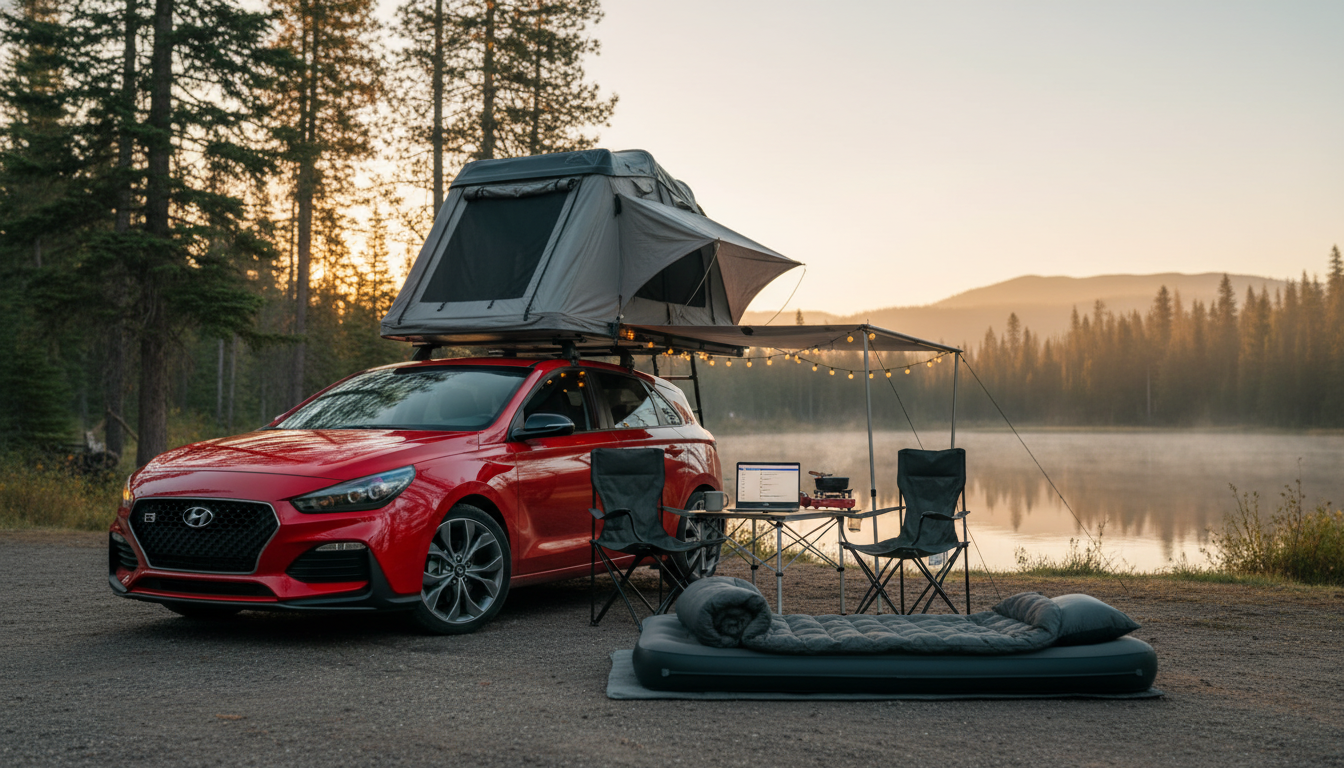
Car Camping, Nailed: A Practical Digital Guide to a Smooth, Comfortable Weekend on the Road
Car camping can feel effortless when the basics are dialed in: the right site, a simple sleep system, easy meals, and a setup that works in rain, wind, and darkness. This guide breaks the trip into clear steps—from planning and packing to setting up camp and heading home—so the first night is comfortable, mornings are organized, and the whole adventure stays safe and low-stress.
Plan the trip so camp feels easy
Most “rough” weekends aren’t caused by bad luck—they’re caused by arriving late, missing a rule, or underestimating weather. A little upfront planning keeps camp relaxed.
- Pick a realistic driving window, then choose a campsite that matches your vehicle and experience level. Check cell coverage, road conditions, bathroom access, and current fire rules.
- Confirm local regulations for dispersed camping, quiet hours, and food storage requirements in wildlife areas. The National Park Service camping pages are a reliable starting point for park-specific guidance.
- Plan for the worst expected conditions: look up overnight lows, wind, and precipitation, then build your sleep and shelter around that forecast (not the daytime high).
- Use a simple schedule: arrive with daylight, set up first, then cook. On departure day, pack in reverse order so the essentials stay accessible until the end.
Pack smarter with a system (not more stuff)
Organization beats overpacking. When everything has a home, setup is faster, you lose fewer small items, and cleanup is less annoying.
- Group gear by function: sleep, shelter, kitchen, lighting, hygiene, and a “fix-it” kit. Put each group in one bin or bag so you can unload with intention.
- Keep a “setup first” tote within reach: headlamp, stakes, tarp, mallet, trash bags, paper towels, and a small tool kit. If it helps you get dry and lit, it goes here.
- Dress in layers: base layer, warm mid-layer, rain shell, extra socks, and camp shoes. This covers cold mornings and surprise weather without bringing your whole closet.
- Bring a car-camping power plan: charged battery bank, car charger, and the cables you actually use. Avoid draining your car battery while parked.
Car Camping Packing Checklist (Simple, Vehicle-Friendly)
| Category | Essentials | Nice-to-have | Notes |
|---|---|---|---|
| Sleep | Sleeping bag/blanket, sleeping pad | Pillow, earplugs | Aim for a sleep rating below expected lows |
| Shelter | Tent or hatch awning, stakes | Tarp, extra guylines | Wind and rain are easier with a tarp backup |
| Lighting | Headlamp, lantern | String lights | Headlamp beats phone light for setup and cooking |
| Kitchen | Stove, fuel, lighter, pot, utensils | Folding table, spice kit | Check fire bans; rely on stove if needed |
| Food storage | Cooler, ice, sealed bins | Bear canister (where required) | Follow local wildlife guidance strictly |
| Water | Jugs/bottles, refill plan | Pump filter | Know nearest potable source before leaving |
| Hygiene | Toilet kit, wipes, soap, towel | Portable shower | Use biodegradable soap away from water sources |
| Safety & repair | First aid, tire kit, jumper pack | Tow strap, traction boards | Practice changing a tire before the trip |
Choose a campsite and park like a pro
Your comfort at camp is often decided by the last 20 feet: where you park, where water runs, and where the wind hits.
Build a comfortable sleep setup (even when it’s cold)
Cook simple meals that don’t create a mess
- Go for two-minute breakfasts (yogurt, oatmeal, breakfast burritos) and one-pot dinners to keep fuel use predictable and cleanup quick.
- Pre-chop at home and pack ingredients in labeled bags. Freeze one dinner so it doubles as cooler ice on day one.
- Use a three-step cleanup: scrape, wash, sanitize. Pack out all trash and micro-trash. The Leave No Trace 7 Principles are a solid standard for keeping sites clean and low-impact.
- Store scented items together (food, trash, toiletries) and follow local guidance for wildlife safety.
Stay safe: weather, wildlife, and vehicle readiness
- Before leaving pavement, check tire condition, spare tire pressure, jack/tools, and a basic roadside kit. For a general baseline, the Ready.gov emergency kit checklist is a helpful reference.
- For storms, secure tarps and guylines early. Keep warm/dry layers accessible so you can adjust quickly.
- For heat, plan shade, hydration, and cooler management. Never leave people or pets in a parked car.
- Share a simple plan: campsite location, return time, and emergency contacts. Know where help is and how to reach it if service drops.
A smooth camp routine: arrive, settle, enjoy, reset
When things go wrong: quick fixes that save the trip
Digital guides that help you camp (and plan) with confidence
- Car Camping, Nailed: The Ultimate Digital Guide for a Perfect Car Camping Adventure — a streamlined, weekend-ready reference for planning, packing, setup, and troubleshooting.
- How to Value Your Car Like a Pro Before Selling or Trading – Ultimate Guide to Car Valuation for Sale or Trade-In — helpful if you’re comparing vehicles for road trips or thinking about upgrading to a more camping-friendly setup.
FAQ
What’s the easiest first-time car camping setup?
Use a basic tent, one warm sleep system per person, a single-burner stove, and one cooler. Keep organization simple with two bins (kitchen + everything else) and aim to arrive before dark so setup stays calm.
How do you stay warm car camping at night?
Prioritize insulation under your body with a quality sleeping pad and use a sleeping bag or blankets rated below the overnight low. Wear dry base layers plus warm socks and a hat, and add controlled ventilation to reduce condensation that can make you feel colder.
How do you keep food safe from animals while car camping?
Keep food and other scented items sealed in bins or the appropriate storage required at the site (bear box or canister where mandated). Maintain a clean kitchen, pack trash promptly, and never bring food into the sleeping area.















Leave a comment