Travel Photography Tips: Settings, Composition & Backup
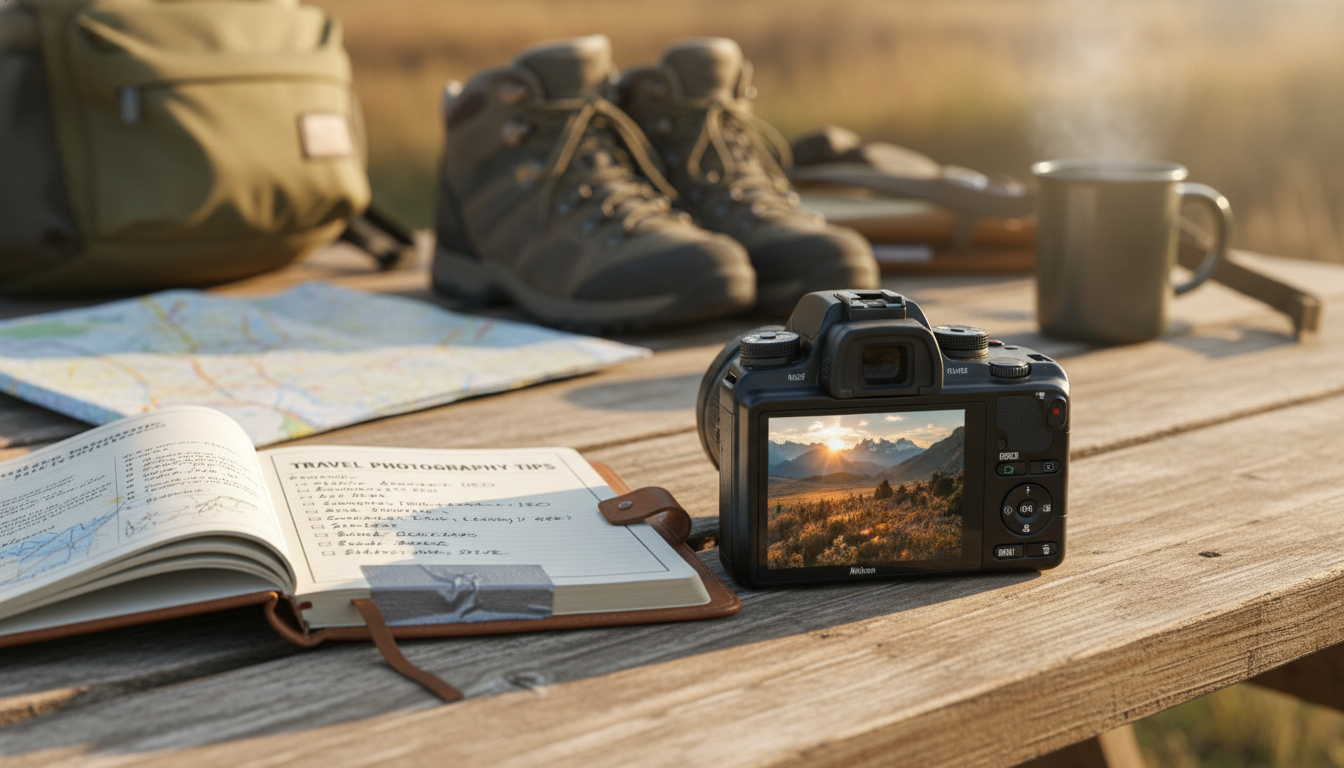
Shoot, Explore, Repeat: Essential Travel Photography Tips for Stunning Shots Anywhere
Great travel photos come from a simple rhythm: prepare, observe, shoot with intention, and back up the results. The best part is that stronger images usually come from better habits—not new gear. Use the tips below to tighten your settings, simplify your compositions, and come home with a complete set of photos that tells the story of the trip (not just what a place looked like).
Start Before the Trip: Plan for Light, Access, and Story
A little planning makes travel photography feel easier on location—especially when time is limited and light changes fast.
- Pick 1–3 photo goals per location (landscapes, street scenes, portraits, details). A small focus prevents scattered shooting and helps you notice better moments.
- Check sunrise/sunset times and light direction. Golden hour and blue hour add flattering contrast without complicated editing.
- Save viewpoints offline (maps + pins) and note access rules, ticket times, and tripod restrictions so you’re not troubleshooting at the gate.
- Build a short shot list that covers: establishing scene, close-up details, a human element, and a “sense of place” moment (like steam rising from food, rain on cobblestones, or hands at work).
- Pack redundancy for essentials (battery, storage) and keep everything else simple. One main lens used well beats three lenses you’ll hesitate to swap in dust or crowds.
Quick Travel Photo Shot List (Adapt to Any Destination)
| Moment | What to Capture | Simple Tip |
|---|---|---|
| Arrival | One wide establishing photo | Include a leading line (road, path, shoreline) |
| Local life | Street scene with context | Wait for one subject to enter the frame |
| Details | Textures, signs, food, hands | Use window light or open shade |
| Portrait | A person + environment | Keep background clean; focus on the eyes |
| Night | City lights or stars | Stabilize the camera; lower ISO when possible |
| Departure | A closing frame that signals the end | Shoot through a doorway, window, or frame-within-frame |
Settings That Work Almost Everywhere (Beginner Defaults)
If changing settings feels stressful while traveling, start with a few reliable defaults and adjust only when the scene demands it.
- Use Aperture Priority for most daylight scenes. For landscapes and cityscapes, f/5.6–f/8 is a dependable sweet spot for sharpness and depth of field.
- Open up for portraits or dim light. Around f/1.8–f/2.8 helps separate your subject from the background and keeps shutter speeds faster.
- Keep shutter speed high for motion. Aim for 1/250s+ for walking subjects, and around 1/1000s for faster action (bikes, dancers, wildlife).
- Use Auto ISO with a cap. A maximum like ISO 3200 works well on many modern cameras, balancing blur prevention with manageable noise.
- Set a minimum shutter speed (if your camera offers it) so the camera doesn’t accidentally drop too low while you’re moving between scenes.
For deeper learning on fundamentals, Nikon’s tutorials are a solid reference: Nikon: Photography Tutorials and Tips.
Composition Habits: Make Ordinary Places Look Intentional
Composition is the fastest way to improve travel photos—because it’s free and works on every camera, including a phone.
- Scan the edges before you shoot. Remove distractions by stepping left/right, lowering the camera, or waiting one beat for the background to clear.
- Use leading lines. Roads, railings, rivers, and alleyways naturally pull attention toward your subject.
- Create depth with a foreground element. Frame the scene with plants, arches, rocks, or doorways instead of relying on a wide view alone.
- Try a three-frame approach: wide scene, medium context, tight detail—then move on. This builds a story and reduces “regret later” moments.
- Shoot both horizontal and vertical. Tall buildings, waterfalls, and trees often look stronger in vertical, while wide scenes breathe in horizontal.
For inspiration from working pros, explore National Geographic Photography.
People, Places, and Respect: Photographing Culture Well
If starting conversations feels awkward, a set of thoughtful prompts can help break the ice: Meaningful Conversation Starter Guide | Printable Guide for Dating, Friendship & Networking | Deep Questions & Prompt Examples.
Travel-Smart Gear and Packing (Lightweight, Low-Stress)
Night, Interiors, and Low Light: Clean Images Without Frustration
Backup and Post-Processing: Protect the Trip and Finish Strong
For a streamlined workflow, Adobe’s tools are widely used for editing and organization: Adobe Lightroom.
Printable Checklist: Pack, Shoot, and Return With Keepers
Shoot, Explore, Repeat: Travel Photography Tips (Printable Checklist) is a quick, beginner-friendly way to stay organized from packing through post-processing.
FAQ
What camera settings should a beginner use for travel photos?
Use Aperture Priority for most scenes (around f/5.6–f/8 for landscapes and cityscapes), switch wider for portraits/low light, and enable Auto ISO with a maximum cap. If available, set a minimum shutter speed to prevent accidental blur while walking and shooting.
How can travel photos look better without buying new gear?
Shoot in better light (golden/blue hour), simplify the frame by scanning the edges, and use leading lines or foreground elements for depth. Get closer, and capture a wide/medium/tight sequence so the place feels intentional and complete.
What’s the best way to back up photos while traveling?
Keep two copies whenever possible: one on your phone/camera device and one on cloud or an external drive. Back up daily, rotate memory cards, and avoid a single point of failure (like one full card holding the entire trip).













Leave a comment