Beat Gym Anxiety: First-Time Gym Checklist & 30-Min Plan
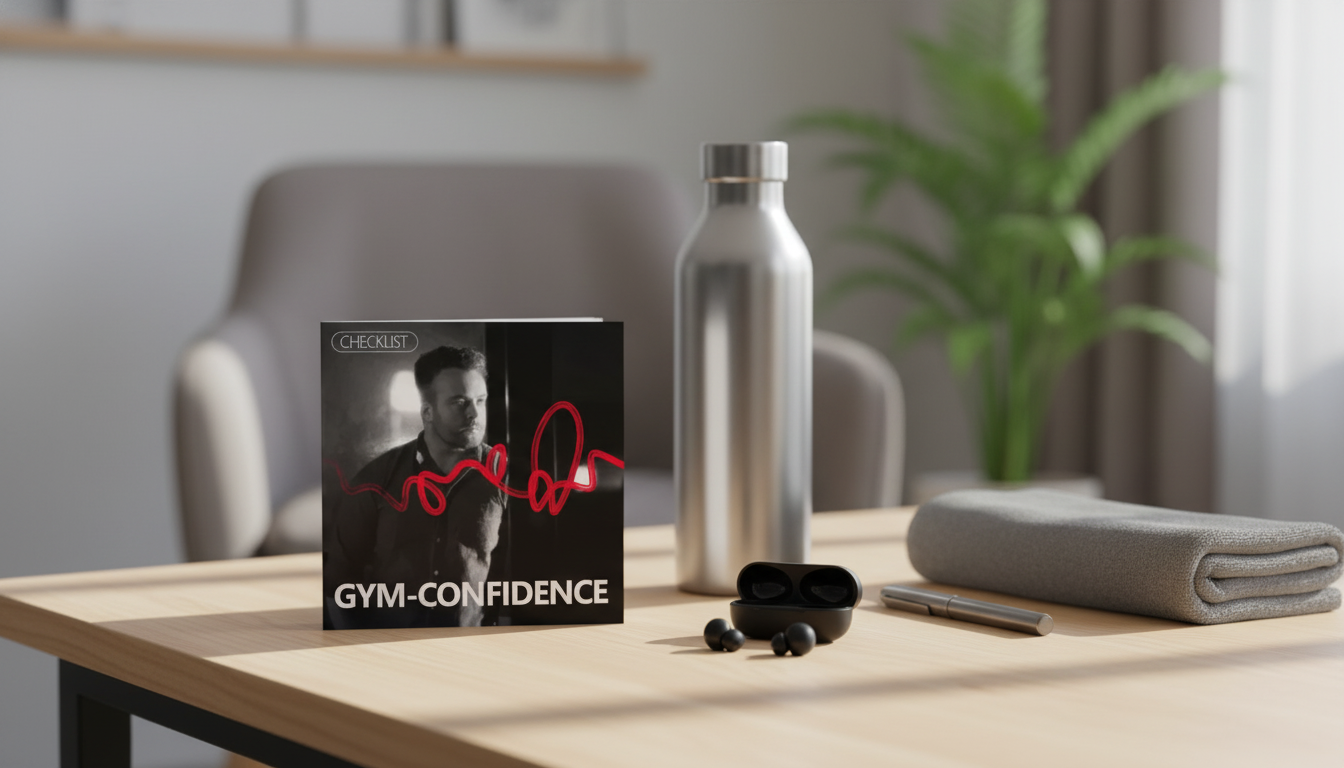
Gym-Confidence Kickstart: A Beginner-Friendly Checklist for Your First Visits
Walking into a gym for the first time can feel intimidating, especially when equipment, routines, and “gym culture” seem unfamiliar. A simple plan reduces uncertainty, builds momentum, and turns “I should go” into “I went.” Use the steps below to lower gym anxiety, get through your first sessions smoothly, and build confidence that lasts.
What gym anxiety looks like (and why it’s so common)
Gym anxiety usually isn’t about laziness or lack of willpower—it’s about walking into a setting filled with unknowns. Common signs include:
- Feeling “watched,” even when others are focused on their own workouts
- Worrying about not knowing how to use machines or where to stand
- Fear of looking inexperienced, moving “wrong,” or taking up space
- Decision fatigue from too many machines, programs, and conflicting advice
The most reliable confidence solution is reducing unknowns: rehearse a simple plan, follow it, and repeat small wins until the gym starts feeling familiar.
The 10-minute prep that makes the gym feel predictable
Preparation works because it removes “What do I do now?” moments. Ten minutes at home can make your first 1–2 visits feel calmer and more structured.
- Choose a low-pressure time window (mid-morning, early afternoon, or late evening) for the first 1–2 visits.
- Pick one goal for the day: “Show up,” “Walk 20 minutes,” or “Learn 2 machines.”
- Pack a small, repeatable kit: water, headphones, towel, lock (if needed), comfortable shoes.
- Wear something that doesn’t require adjusting; comfort beats the “perfect gym outfit.”
- Create a default route to the gym (parking, entrance, front desk) to lower friction.
- Use a simple script at check-in: “Hi—first time here. Could you point me to the treadmills and the restroom?”
If you like having a step-by-step sheet you can save to your phone or print, the Gym-Confidence Kickstart Checklist is designed to keep your first sessions calm, clear, and repeatable.
A beginner routine that builds confidence fast (no complex programming)
Early workouts should feel doable. The goal is not to “prove yourself”—it’s to build a track record of successful visits.
- Start with the easiest win: 5–10 minutes of walking or cycling to settle nerves.
- Choose 4–6 basic movements total (mix of machines and bodyweight is fine).
- Keep intensity conversational: stop each set with 2–3 reps “left in the tank.”
- Rest enough to breathe normally; confidence grows when the workout feels manageable.
- Leave while it still feels successful—finishing strong beats pushing to exhaustion.
First-Timer Gym Plan (30 Minutes)
| Time | What to do | Confidence cue |
|---|---|---|
| 0–5 min | Arrive, quick scan: find restroom, water station, and one open cardio option | A familiar “anchor spot” reduces the feeling of being lost |
| 5–12 min | Easy walk/cycle/elliptical | Match your breath to a steady pace; nerves usually drop after a few minutes |
| 12–22 min | 2 machines: leg press + chest press (2 sets each, light weight) | Aim for smooth reps, not heavy reps—form first builds control |
| 22–27 min | 1 pull movement: lat pulldown or seated row (2 sets) | Set the seat once, note the pin number for next time |
| 27–30 min | Cool down walk + quick stretch | End early if needed; consistency matters more than duration |
How to look confident even when you’re new
Confidence often reads as “I have a plan,” not “I know everything.” These small behaviors help you blend in fast:
- Move with purpose: walk directly to your next station instead of wandering.
- Use a “one machine at a time” rule: pick it, do it, leave—no comparing or scrolling.
- Keep your phone as a timer or checklist, not a distraction (30–90 second rests).
- If you’re unsure, choose the simplest option: treadmill, cable row, leg press, dumbbell goblet squat.
- Use gym etiquette basics: wipe down, re-rack weights, don’t hover over someone’s machine.
If asking for help feels awkward, having a few ready-to-go phrases can make it easier to approach staff or a regular. The Meaningful Conversation Starter Guide can also be repurposed for low-pressure, polite openers—especially if you’re building the habit of speaking up when you need directions or a quick tip.
Quick anxiety relief tools you can use mid-workout
If anxiety spikes after you arrive, the goal is to lower the volume—not to “fight” the feeling. Try one tool for 30–60 seconds.
For broader coping skills, the American Psychological Association’s stress resources offer practical strategies for managing stress responses in everyday settings.
Your first month: build confidence by repeating a small template
If you want a basic north star for how much activity to aim for over time, review the CDC’s Physical Activity Basics and the ACSM getting started guidance for beginner-friendly standards.
A printable checklist that removes guesswork
If you’d like a ready-made version, the Gym-Confidence Kickstart Checklist is designed around the same “reduce unknowns, repeat small wins” approach.
FAQ
How do beginners stop feeling embarrassed at the gym?
Go during quieter hours, follow a short routine, and focus on one station at a time. Track small wins like showing up and learning one machine—confidence usually grows faster from consistency than from trying to look advanced.
What should a first-time gym workout include?
Include a brief warm-up, 3–5 simple machine-based movements with light weights and good form, longer rests, and a short cool down. Leave while it still feels manageable so the next visit feels easier to repeat.
How long does it take to feel confident going to the gym?
Many people feel noticeably better after a few repeat visits—often around 4–8 sessions—once the layout and equipment feel familiar. Steady attendance builds comfort faster than pushing intensity early.















Leave a comment