Raise Confident, Kind Kids: Routines, Boundaries & Scripts
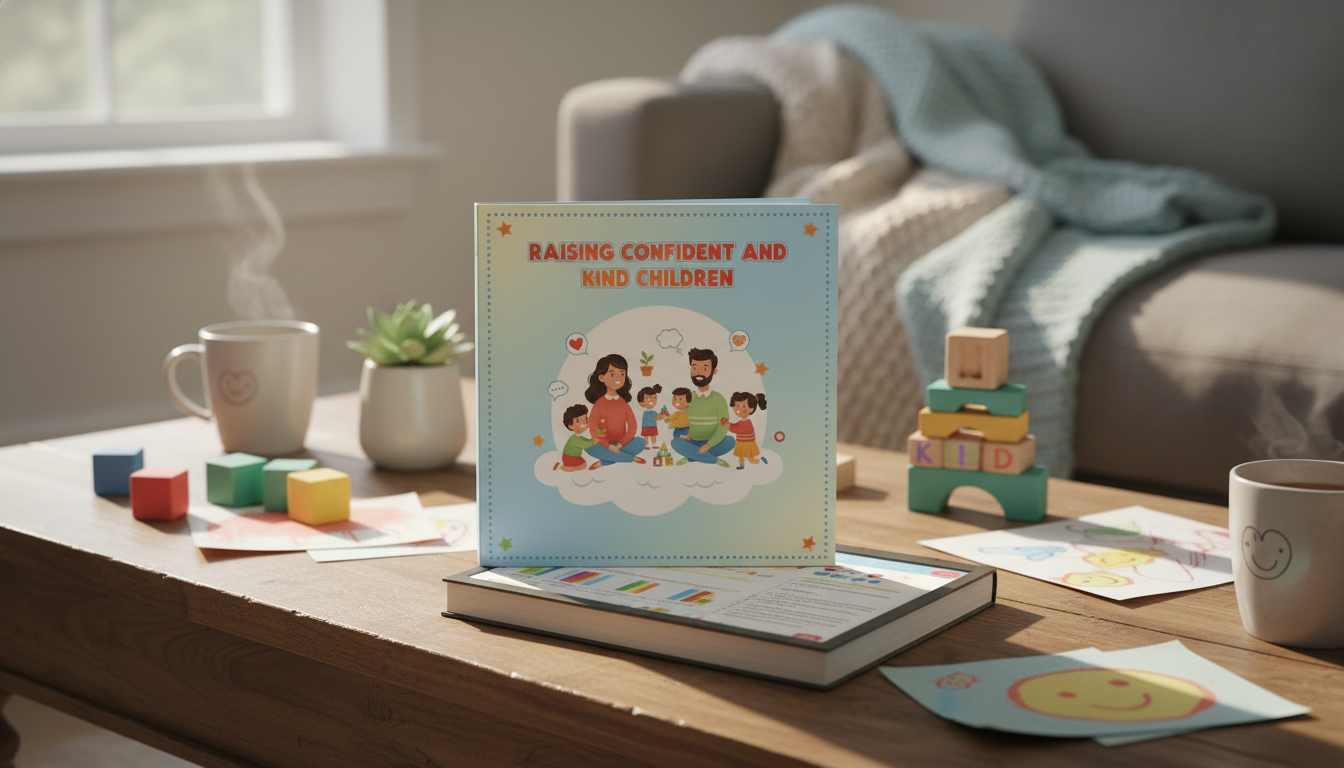
Raising Confident and Kind Children: Practical Strategies for Emotional Growth and Everyday Parenting
Confidence and kindness don’t usually arrive in one big breakthrough. They grow through repeated, everyday moments—how boundaries are set, how feelings are named, and how repair happens after conflict. A practical approach blends clear limits with warmth, builds emotional skills through simple routines, and uses lightweight tools to reduce decision fatigue so parents can stay consistent.
What Confidence and Kindness Look Like in Daily Life
It helps to define what you’re actually aiming for, so you can notice progress (even when it’s messy).
- Confidence: trying again after mistakes, speaking up respectfully, and taking age-appropriate responsibility.
- Kindness: noticing others’ feelings, making amends, sharing space and attention, and helping without losing self-respect.
- Healthy balance: assertiveness without aggression; empathy without people-pleasing.
- Common blockers: inconsistent limits, over-rescuing, harsh criticism, and unstructured screen time that replaces connection.
When confidence and kindness develop together, kids learn: “My needs matter, and other people’s needs matter too.” That’s the core skill underneath sharing, teamwork, and respectful boundaries.
Core Parenting Principles That Build Emotional Strength
Connection before correction
Before teaching a lesson, help the nervous system settle. A few seconds of eye-level attention, using their name, and a gentle touch (if welcomed) often reduces escalation and makes a child more able to listen.
Clear, predictable boundaries
Fewer rules work better than many rules. State them positively (what to do), and use consequences that are related and respectful. Predictability builds safety, and safety supports self-control.
Emotion coaching
Label feelings, validate them, then guide toward choices and problem-solving. Validation isn’t agreement—it’s recognition. “You’re mad” can coexist with “I won’t let you hit.”
Modeling and repair culture
Kids learn what to do under stress by watching adults do it. A calm tone, a genuine apology, and simple self-regulation strategies (breathing, pausing, taking space) teach more than lectures. After conflict, return to connection with a brief debrief: what happened, what to do next time.
For evidence-based guidance on positive discipline and child development, see the American Academy of Pediatrics’ Positive Parenting Tips and the CDC’s Essentials for Parenting.
Practical Strategies That Work by Age and Stage
Ages 2–5: name feelings + simple choices
Use short labels (“mad/sad/scared”), then offer two acceptable choices: “You can stomp your feet here or squeeze this pillow.” Keep routines short and repeatable (cleanup song, bedtime steps), because consistency is calming.
Ages 6–9: problem-solving steps and responsibility
Teach a simple sequence: stop–name–choose. Stop your body, name the feeling, choose a helpful next step. Add simple household jobs to build competence: feeding a pet, setting the table, sorting laundry.
Ages 10–13: independence with check-ins
Use collaborative rules around devices, homework, and social time. Practice perspective-taking: “What do you think your friend felt?” Coach through peer conflict rather than solving it immediately.
Teens: respect, autonomy, and calm boundaries
Focus on values and consequences, not long lectures. Keep boundaries brief and steady: “I’m happy to talk when voices are calm.” Autonomy grows when teens are trusted with real choices—and held to real follow-through.
Signals to adjust your approach: frequent meltdowns, avoidance, perfectionism, chronic lying, or escalating sibling conflict. These patterns often mean the current expectations, routines, or supports don’t match the child’s skills yet.
Everyday Scripts for Difficult Moments (Without Power Struggles)
Short scripts reduce decision fatigue and help you stay consistent—especially when emotions are high.
Emotional Growth Routines That Fit Busy Families
Resilience grows when kids experience manageable stress with supportive adults. The APA’s resilience guide offers helpful context for building coping skills over time.
Using AI Tools to Stay Consistent (Planning, Not Replacing Parenting)
Quick wins: routines and tools
| Challenge | What to try | How a tool can help |
|---|---|---|
| Morning chaos | 3-step visual routine + one reminder | Generate a checklist and simple reward tracker |
| Frequent sibling fights | Separate, calm, then repair script | Create a family “conflict rules” card and practice phrases |
| Homework battles | Time blocks + choice of start task | Draft a weekly schedule and a distraction plan |
| Backtalk and arguing | Respect reset + brief boundary | Create short scripts and a consequence ladder |
| Bedtime resistance | Predictable steps + connection first | Build a bedtime routine chart and story prompts |
What the Ebook Includes and How to Use It
If you want structure you can repeat (without reinventing the wheel every day), Raising Confident and Kind Children ebook brings the routines, scripts, and planning tools together in one place.
If home stress is amplified by a pet’s separation anxiety, a focused guide like Calm Paws: Ending Dog Separation Anxiety can help reduce background tension so family routines are easier to keep.
Setting Realistic Expectations and Tracking Progress
FAQ
How long does it take to see changes in confidence and kindness?
Many families notice small improvements within 2–6 weeks, depending on consistency and the child’s temperament. Focus on daily reps and track one behavior at a time so progress is easier to spot.
Can these strategies work for strong-willed kids?
Yes—strong-willed kids often do best with collaboration, clear boundaries, fewer words, and predictable consequences. Extra practice on repair and problem-solving helps them use their intensity in constructive ways.
Are AI tools safe to use for parenting support?
They can be, when used with guardrails: avoid sharing sensitive details, use tools mainly for planning scripts and checklists, and keep parents as the decision-makers. For safety concerns or serious mental health symptoms, prioritize qualified professional support.















Leave a comment