A Simple Digital Cleaning System for a Tidy Home
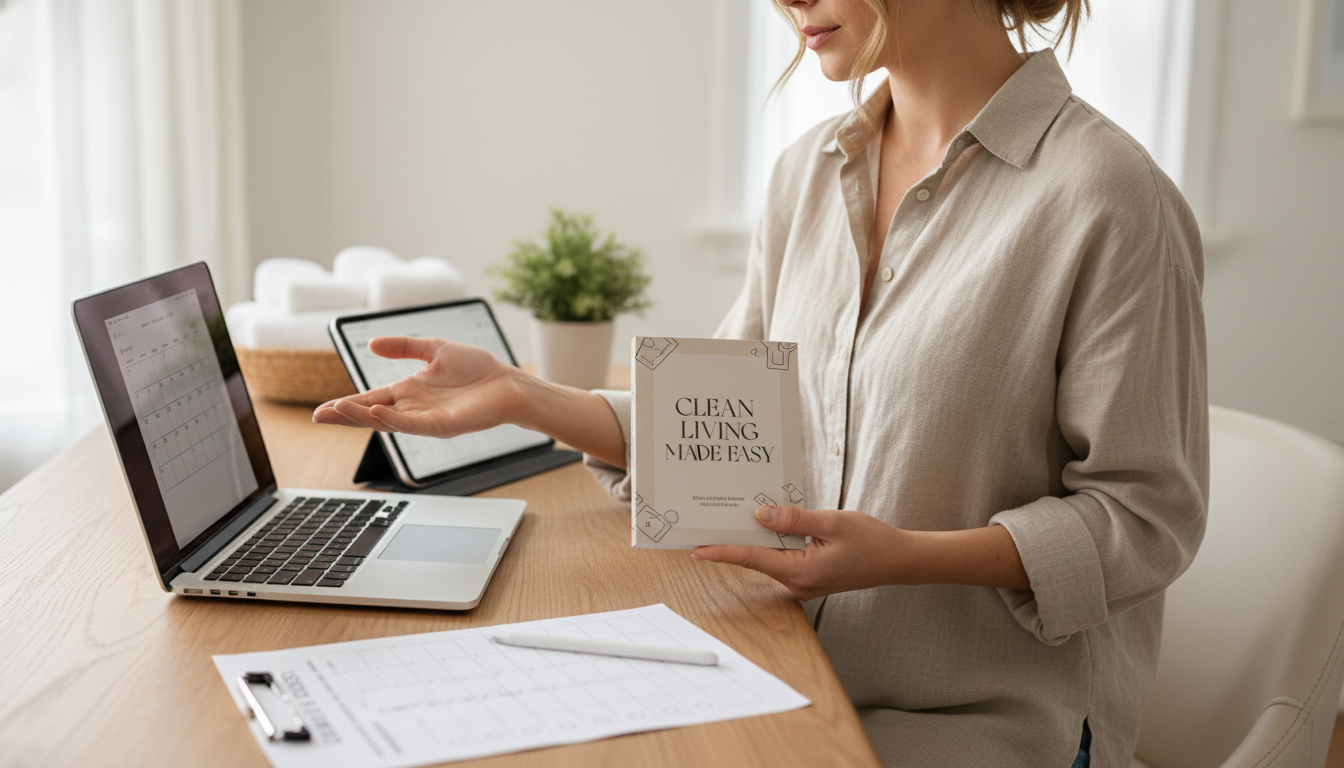
Clean Living Made Easy: A Simple Digital System for a Tidy, Organized Home
A clean home rarely comes from marathon cleaning days—it comes from a repeatable system that fits real schedules. The goal isn’t perfection; it’s a steady, livable baseline: clear surfaces, contained clutter, and routines that prevent “mystery mess” from piling up. Below is a practical structure built around quick daily resets, targeted weekly rotations, and occasional deep-clean sessions—plus a simple way to personalize your plan so it keeps working when life gets busy.
What “clean living” looks like in everyday life
“Clean living” at home is less about sparkling everything and more about feeling like your space is under control—even on a random Wednesday.
- A tidy baseline: counters mostly clear, laundry moving through a predictable flow, and clutter contained (not eliminated overnight).
- Cleaning as maintenance: short, consistent actions that stop buildup before it becomes exhausting.
- Visible wins first: prioritize high-impact zones—kitchen, bathroom, and entry—so the whole home feels calmer fast.
Set the foundation: zones, supplies, and a realistic time budget
When cleaning feels endless, it’s often because effort is scattered. A simple structure fixes that.
1) Divide your home into zones
Pick a few zones that match how you live: kitchen, bathrooms, bedrooms, living areas, entry, laundry. This prevents the “start everywhere, finish nowhere” pattern.
2) Build a small daily kit
Keep a compact set of supplies where you’ll actually use them. A practical starter kit includes a multi-surface cleaner, microfiber cloths, trash bags, disinfecting wipes or spray, and glass cleaner. If you’re choosing household products with a safety focus, look for clearer labeling and third-party guidance like the EPA Safer Choice program.
3) Choose a daily time budget you can protect
Pick 10, 15, or 20 minutes and treat it like an appointment. The consistency matters more than the number. If disinfecting is part of your routine, follow common-sense guidance for high-touch surfaces (especially during illness seasons) from sources like the CDC’s cleaning and disinfecting recommendations.
Daily routine checklist: the 10–15 minute reset
This is the “keep it from sliding” routine. It’s intentionally short, and it focuses on the zones that create the biggest visual impact.
- Kitchen close-down: load/run the dishwasher, wipe counters, quick sink scrub, take out trash if needed.
- Clutter sweep: return items to their homes; use one basket for anything that belongs elsewhere.
- Floors touch-up: quick vacuum or sweep high-traffic areas only (not the whole house).
- Bathroom micro-clean: wipe sink/counter and do a fast toilet swish to prevent buildup.
- Laundry touchpoint: one small action—start a load, switch to dryer, or fold for 10 minutes.
If time is tight, do the kitchen close-down plus a 60-second clutter sweep. That alone protects your baseline.
Weekly rhythm: rotate tasks without losing the weekend
Weekly cleaning works best as a rotation—small, predictable “anchor days” instead of a single all-day session.
- Pick 2–3 anchor days: for example: Tuesday bathrooms, Thursday floors, Saturday linens.
- Batch similar work: clean all mirrors, then all sinks, then all toilets. Less switching = faster progress.
- Use a minimum viable clean on busy weeks: bathrooms + kitchen surfaces + high-traffic floors.
A helpful mindset shift: weekly tasks are about resetting, not detailing. Detailing belongs in monthly/seasonal time.
Monthly and seasonal deep-clean: prevent the hidden mess
Deep-cleaning doesn’t have to be overwhelming if you do it by zone and stop when the timer ends.
Monthly focus ideas
- Baseboards in one zone
- Inside-fridge check (toss expired, wipe sticky spots)
- Vents and light switches
- Cabinet fronts and handles
Seasonal focus ideas
AI cleaning planner: how to personalize your schedule (without overcomplicating it)
Sample schedule at a glance
| Frequency | Core tasks | Typical time |
|---|---|---|
| Daily | Dishes + counters, clutter sweep, quick bathroom wipe, laundry touchpoint | 10–20 min |
| Weekly (rotate) | Bathrooms deeper clean, floors, dusting, bedding, fridge check, trash/recycling bins | 45–90 min total (split across days) |
| Monthly | Baseboards in one zone, vents, cabinet fronts, inside microwave/oven spot-clean, shower curtain/liner check | 60–120 min |
| Seasonal | Window tracks, behind appliances (as safe), closet swap, donation bag, pantry reset | 2–4 hours (split) |
Keeping it organized: rules that reduce future cleaning
Common roadblocks and quick fixes
Digital tools that turn routines into a system
Clean Living Made Easy: what’s included and how it helps
If you want a ready-to-use structure you can customize, Clean Living Made Easy digital cleaning guide, daily routine checklist, and AI cleaning planner bundles the core pieces: a sustainable routine (daily, weekly, deep-clean rhythms), a daily checklist that keeps high-impact areas consistently under control, and a planner-friendly structure to rotate zones with minimal effort.
If pets are part of your household, routines can be easier to maintain when the home is calmer overall—especially around departures and arrivals. For dog owners managing stress behaviors that can contribute to household mess, Calm Paws: Ending Dog Separation Anxiety is an optional companion resource focused on creating more predictable patterns.
FAQ
How long should a daily cleaning routine take?
A solid baseline is 10–20 minutes. Focus on dishes/counters, a quick clutter sweep, and a fast bathroom wipe; consistency matters more than doing everything daily.
What’s the best way to keep a house clean with a busy schedule?
Use a short daily reset plus rotating weekly zones, and batch similar tasks to save time. On tough weeks, stick to a minimum viable clean and reschedule missed tasks rather than doubling up the next day.
Can an AI cleaning planner actually make cleaning easier?
Yes—when it’s used for planning and prioritizing. It can build a zone-based rotation around your constraints (pets, kids, allergies, work hours) and reduce decision fatigue, but it supports routines rather than replacing the work.
















Leave a comment