Foundation That Won’t Settle Into Lines: Smooth All Day
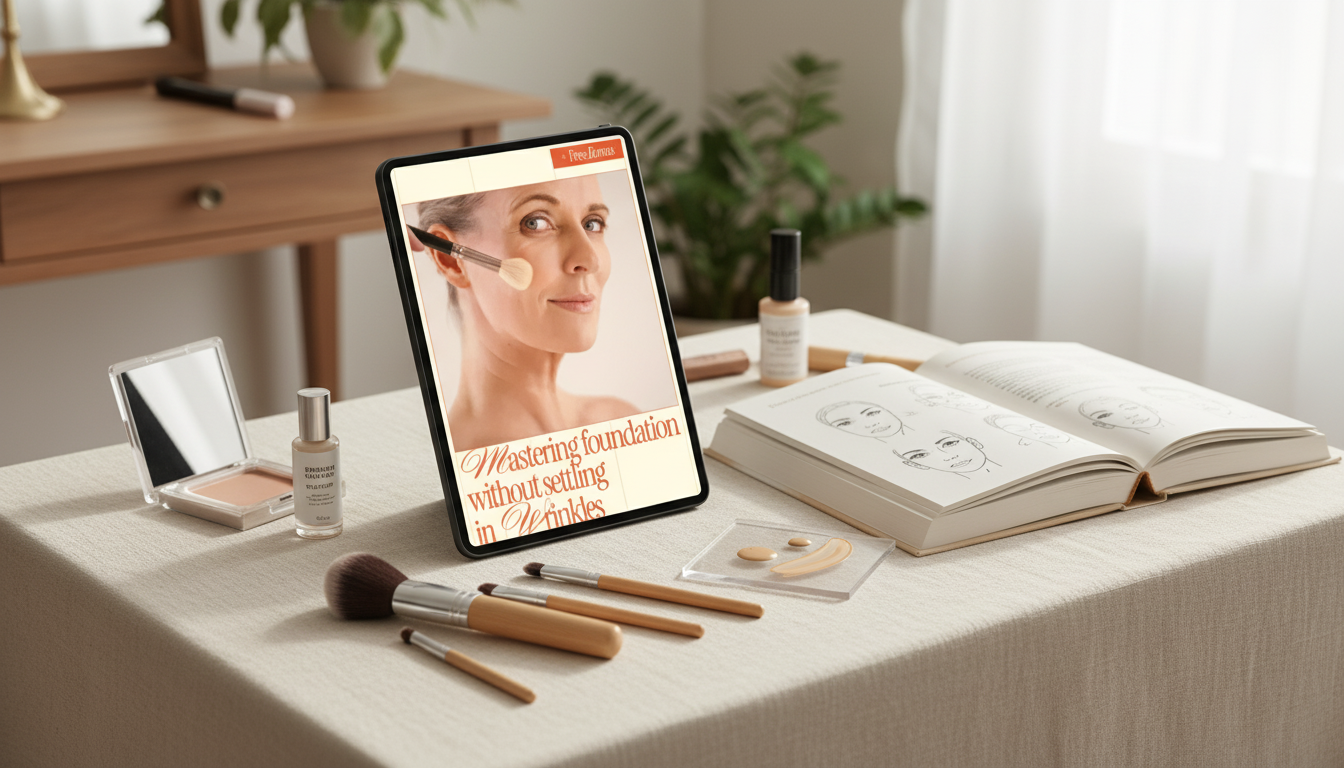
Mastering Foundation That Stays Smooth and Won’t Settle Into Lines
Foundation can look flawless at first, then begin to gather in expression lines and fine wrinkles as the day goes on. The fix is rarely “more coverage”—it’s smarter prep, thinner layers, the right tools, and strategic setting. This guide walks through a practical routine that helps foundation sit smoothly on textured or mature skin while still looking like skin.
Why foundation settles into lines
Creasing usually isn’t a single-product problem—it’s a layering and movement problem. A few common culprits show up again and again:
- Dehydration on the surface makes makeup cling to micro-texture and emphasize creases.
- Too much product (especially full-coverage) increases the amount that can move and collect.
- Heavy setting powder can form a dry film that cracks, then breaks into fine lines.
- Silicone-rich layers can pill if skincare and primer don’t mesh or aren’t given time to set.
- Facial movement and natural oils push product into expression lines, especially around eyes and mouth.
Skin prep that helps makeup glide instead of grip
When foundation settles, it’s often reacting to what’s underneath. Aim for calm, hydrated skin that isn’t slick or wet.
- Cleanse gently and avoid over-exfoliating right before makeup; irritation can make texture look worse.
- Apply a hydrating layer (humectants like glycerin or hyaluronic acid) and seal with a light moisturizer suited to skin type.
- Let skincare absorb for 5–10 minutes so foundation doesn’t mix with wet layers and slide into creases.
- If dryness is prominent, press a small amount of moisturizer onto high-movement areas (under eyes, smile lines) rather than coating the whole face.
- Use daily sunscreen; consistent sun protection supports smoother-looking skin over time.
For skin-aging basics backed by dermatologists, see the American Academy of Dermatology’s guidance on skin care in your 50s and 60s. If tightness and flaking are a constant battle, the Mayo Clinic overview of dry skin is a helpful refresher for day-to-day habits.
Choose the right foundation finish and formula for textured or mature skin
The goal is a film that flexes with your face. The more rigid or thick the layer, the more it “breaks” where you move.
- Look for flexible, skin-like finishes (natural, satin, luminous) rather than very matte, which can highlight dryness and lines.
- Prefer buildable coverage over instant full coverage; thin layers reduce creasing.
- If lines are emphasized, try a more emollient formula or mix a tiny drop of moisturizer into foundation for targeted areas.
- Match undertone and depth accurately; a good shade match reduces the urge to over-apply.
- For oily zones, use a lighter layer there and save richer coverage for areas that need it.
Quick fixes based on what you see in the mirror
| What’s happening | Most common cause | Fast adjustment |
|---|---|---|
| Foundation gathers under eyes | Too much product + powder; area is dehydrated | Use half the concealer, tap with a damp sponge, set only the crease with a tiny amount of powder |
| Cakey around mouth/smile lines | Layering too thick; product breaking from movement | Apply a sheer layer there, avoid powder, and press with a clean sponge to lift excess |
| Looks great then separates midday | Oil breaking through and moving product | Blot first, then lightly re-press a small amount of foundation; set only the T-zone |
| Patchy, clinging to dry spots | Dryness or recent exfoliation | Press moisturizer on dry spots, wait, then apply a thinner layer with a sponge |
| Pilling/rolling product | Incompatible layers or not enough dry time | Switch primer type or skip primer; allow skincare to set longer |
A step-by-step application routine that minimizes creasing
Think “thin, pressed, and selective.” That approach keeps product from collecting where your face naturally folds.
Setting without the “powdery” look
Daily SPF also supports a smoother-looking canvas long term; the FDA’s sunscreen overview breaks down what sunscreen does and how to use it consistently.
Touch-ups that erase creasing without adding more makeup
Common mistakes that make wrinkles look deeper
A practical guide to mastering the technique faster
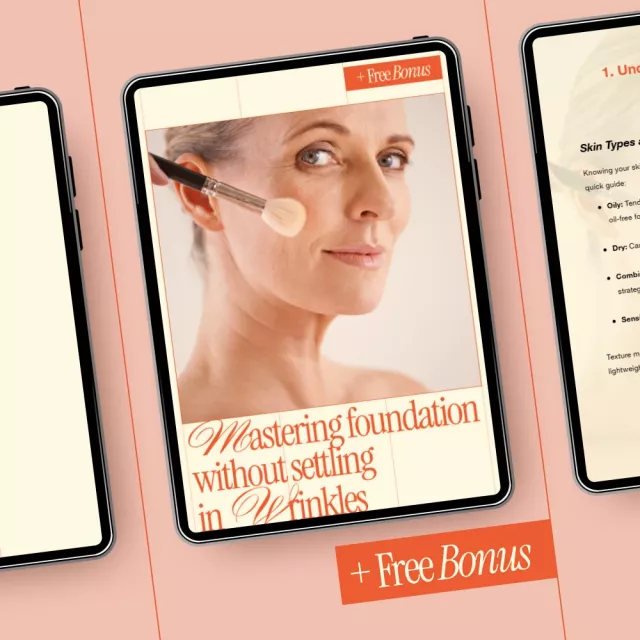
If you want a repeatable routine you can follow without second-guessing each step, the Mastering Foundation Without Settling in Wrinkles (eBook guide) lays out prep, layering, tools, and setting in a simple sequence you can reuse day after day.
If you’re browsing other digital guides available in the shop, you can also view How to Value Your Car Like a Pro Before Selling or Trading.
FAQ
How do you stop foundation from settling into smile lines?
Keep the layer around the mouth sheer, press foundation in with a damp sponge, and remove any excess from the fold before setting. Skip powder directly on the deepest crease, and touch up later by blotting and tapping with a misted sponge instead of adding more layers.
Should mature skin avoid powder completely?
Not necessarily—most people do best with minimal, selective powder. Set lightly where creasing or oil shows up (often under eyes and the T-zone), and leave drier areas unpowdered so the finish stays skin-like.
What’s the best way to apply foundation for a smooth, natural finish?
Start with hydrated skin, apply foundation in thin layers from the center outward, and press (don’t rub) with a damp sponge. Build coverage only where you need it, then set strategically rather than powdering the entire face.















Leave a comment