Sleeper Train Guide: Cabins, Packing & Night Tips
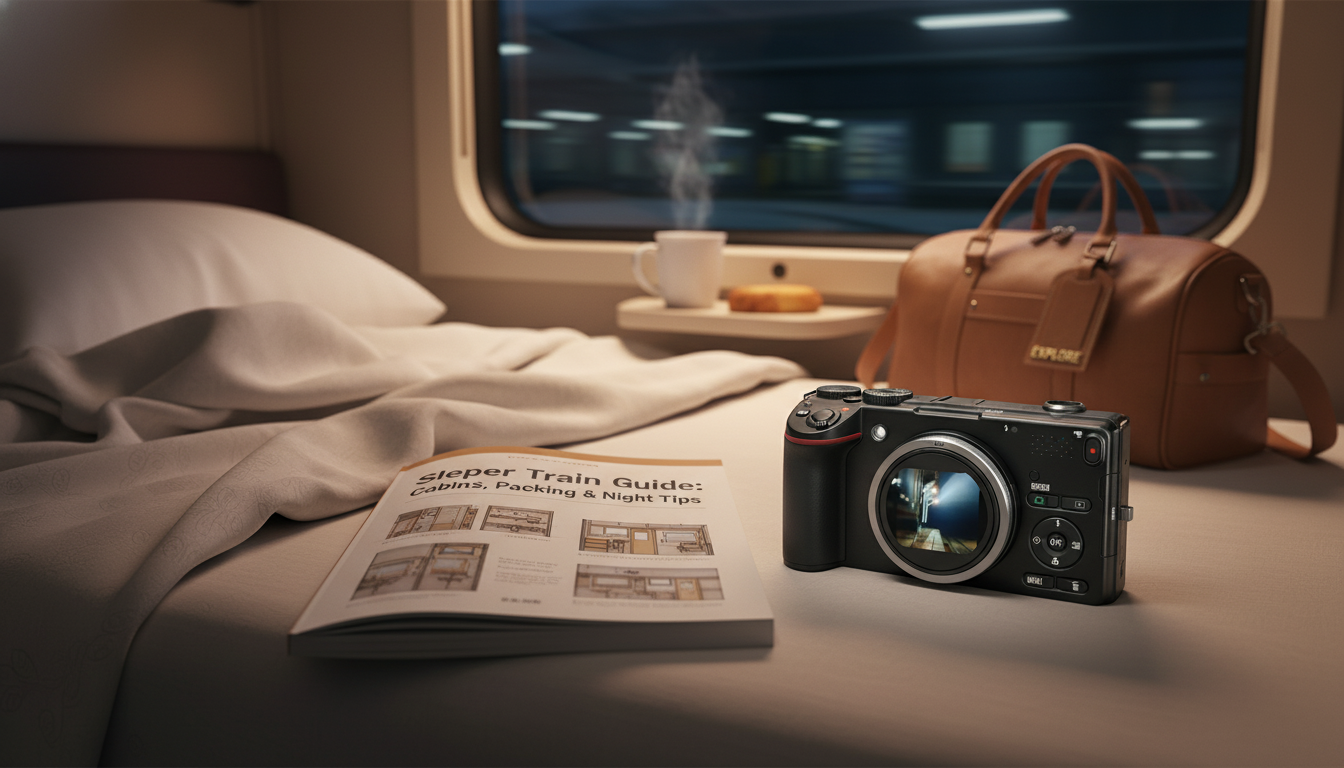
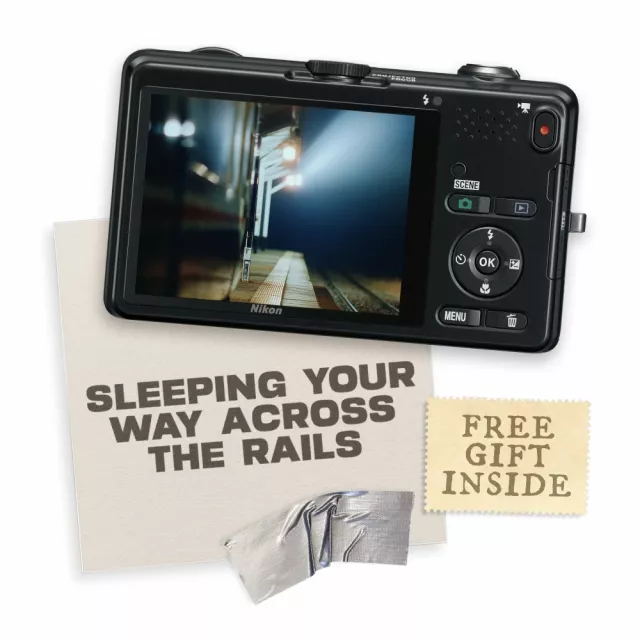
Sleeping Your Way Across the Rails: The Ultimate Guide to the Sleeper Train Experience – What to Expect
Sleeper trains combine transportation and overnight lodging in a single journey, turning travel time into rest time. From choosing the right cabin to understanding onboard routines, a little preparation helps ensure a quieter night, smoother boarding, and a more enjoyable morning arrival. For more guidance, see 9 Train Travel Tips You Didn’t Know – Yes and Yes.
What a sleeper train night really feels like
A sleeper train can feel surprisingly cozy—or a bit restless—depending on the route, the car design, and your tolerance for movement and ambient noise. Unlike a hotel room, the environment changes hour by hour as the train accelerates, brakes, and stops.
- Motion and sound: Gentle rocking is common; expect occasional track noise, station stops, and corridor footsteps.
- Privacy varies: Some sleepers feel hotel-like with solid doors; others resemble a shared hostel compartment.
- Temperature shifts: Cars can run cool, warm, or swing between both—layers usually matter more than fancy gear.
- Lighting at night: Cabins are typically dimmed, but hallway light can leak in through door gaps or curtains.
Cabin types and how to pick the right one
The biggest driver of sleep quality is your accommodation level. If solid rest is the goal, prioritize privacy and fewer neighbors over minor perks.
Sleeper accommodation quick comparison
| Option | Typical setup | Best for | Main trade-offs |
|---|---|---|---|
| Reclining seat | Standard seat with limited recline | Lowest-cost overnight travel | Least sleep, more noise/light |
| Couchette (shared berth) | 4–6 bunks in a compartment | Budget comfort, solo travelers | Less privacy, shared space |
| Private sleeper cabin | 1–2 beds with a door | Couples, light sleepers | Higher price, limited availability |
| Deluxe/ensuite sleeper | Private cabin with shower/toilet | Maximum comfort and convenience | Highest price, smallest inventory |
- Seats vs. couchettes vs. private sleepers: Comfort, cost, and privacy generally increase as you move up the categories.
- Lower vs. upper berths: Lower berths are easier for light sleepers and anyone who dislikes ladders; upper berths can feel more tucked away.
- Shared vs. private: Shared compartments can be social but noisier; private rooms tend to be calmer (and better for couples).
- Bathroom access: Ensuite cabins cost more; shared facilities can mean short nighttime walks and morning queues.
Booking and planning: timing, tickets, and smart upgrades
The best sleeper deals are often the first to disappear, especially on weekends and holiday corridors. Booking strategy matters almost as much as cabin choice.
- Book early: Popular routes and peak dates sell out quickly, and “good-value” sleeper inventory can vanish first.
- Compare fare rules: Change/refund policies can differ substantially between operators and ticket types.
- Confirm what’s included: Bedding, meals, lounge access, and shower access vary by route and class.
- Pricing detail for two: Confirm whether the price is per person or per compartment before you click buy.
- Connection buffer: Overnight trains can arrive early or late depending on the corridor, so build wiggle room.
For operator-specific details, check official pages such as Amtrak Sleeping Accommodations or European night-train guidance like ÖBB Nightjet. Independent route notes and real-world tips are also compiled at The Man in Seat 61.
Boarding, settling in, and nighttime routines
The first 30–60 minutes onboard are usually the noisiest: people settle bags, conductors check tickets, and corridor traffic is at its peak. A simple routine helps you get comfortable sooner.
- Arrive early: Give yourself time to find the correct car and stow luggage without rushing.
- Keep essentials reachable: Charger, toiletries, earplugs, water, and a light layer should be accessible without unpacking.
- Expect early interruptions: Announcements, ticket checks, and corridor activity are most noticeable soon after departure.
- Ask about bed/linen timing: If staff convert seats to beds or distribute linens, confirm timing so it doesn’t break your sleep.
- Use station stops wisely: A quick stretch on the platform can help, but only step off if permitted and follow crew guidance.
What to pack for better sleep (without overpacking)
Space is tighter than it looks, especially once beds are made. A compact “overnight kit” keeps you comfortable without turning your compartment into a storage unit.
Food, bathrooms, and morning arrival: the practical side
Common pitfalls and how to avoid them
A handy companion guide for first-time sleeper train travelers
If you want a simple reference you can skim before boarding, Sleeping Your Way Across the Rails: The Ultimate Guide to the Sleeper Train Experience – What to Expect focuses on practical decisions (which cabin to choose, how to settle in fast, what to pack, and what “normal” overnight train noise feels like) so the first ride feels less uncertain.
For travelers juggling bigger life logistics alongside trip planning, How to Value Your Car Like a Pro Before Selling or Trading – Ultimate Guide to Car Valuation for Sale or Trade-In can be useful when a longer relocation or extended travel plan involves selling or trading in a vehicle.
FAQ
Are sleeper trains comfortable enough to sleep through the night?
They can be, especially in a private sleeper cabin where noise and light are easier to control. Comfort depends on your cabin type, the route’s track conditions, and your sensitivity—earplugs and an eye mask often make a noticeable difference.
Do sleeper train tickets include bedding and meals?
It depends on the operator and class: many sleeper categories include linens, while meals are more commonly included in higher-tier accommodations. Always confirm the fare details to see what’s bundled versus sold separately.
Is it safe to leave luggage in a sleeper compartment overnight?
Generally, yes with basic precautions: keep valuables on your person, store bags out of the aisle, and use small locks where permitted. If you’re in a shared compartment, be extra strict about keeping passport, wallet, and electronics secured.














Leave a comment