Clear Calm Plan: Stop Stress Breakouts & Soothe Skin
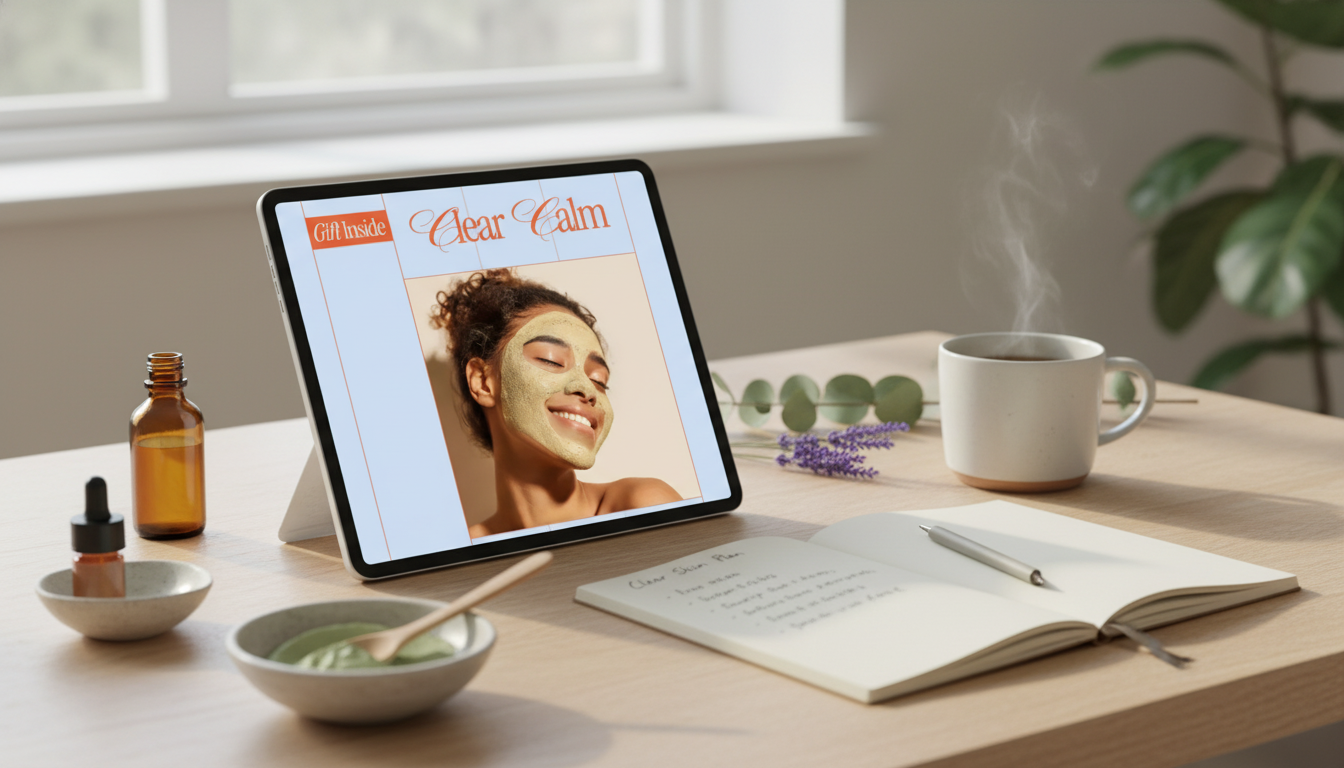
Clear Calm: A Practical Plan for Stress Breakouts and Calmer-Looking Skin
Stress breakouts can feel unpredictable: a busy week hits, sleep slips, and suddenly bumps, congestion, or inflamed spots show up. A calmer complexion usually comes from two directions at once—supporting the skin barrier with consistent, gentle care and lowering the internal stress signals that can ramp up oil, inflammation, and picking. Below is a simple, repeatable approach you can follow through high-pressure seasons without turning skincare into another full-time job.
Why breakouts often flare during stressful periods
When stress ramps up, your skin often gets pulled into the chaos. Stress can shift hormonal and inflammatory signaling, which may increase oil production and make existing clogged pores more likely to inflame. At the same time, sleep disruption and irregular meals can increase sensitivity and slow recovery from irritation—especially if your barrier is already compromised.
Then there are the “stress habits” that sneak in: touching your face while thinking, picking at texture, skipping cleansing at night, or over-scrubbing in an attempt to fix everything fast. Those patterns tend to create more redness and longer-lasting marks. The goal isn’t perfection; it’s reducing triggers and building a routine that stays steady even when life isn’t.
Signs a breakout is “stress-driven” vs. routine-related
Stress-driven acne often has a recognizable timing pattern: flares show up after deadlines, travel, exams, or emotional stress even when products stayed the same. Distribution can offer clues too—many people notice jawline or cheek flares during hormonal shifts and stress, while forehead congestion may track more with sweat, hair products, or headwear (patterns vary a lot by person).
Another sign is reactivity. If your skin suddenly stings, feels tight, or flushes more easily, barrier strain may be part of the story—often worsened by stressful weeks and aggressive acne routines. Before blaming stress alone, rule out obvious irritants: new actives, fragrance-heavy products, over-exfoliation, and heavy occlusive products can all mimic “stress acne.”
The “Clear Calm” framework: stabilize, treat, prevent
1) Stabilize (days 1–7)
Simplify to the basics: a gentle cleanser, a moisturizer, and a daytime sunscreen. If your skin is stinging, peeling, or burning, reduce acids and retinoids temporarily. Think of this phase as making the skin feel safe again so you can treat breakouts without collateral damage.
2) Treat (weeks 2–6)
Add one acne-active at a time (not three at once). Choose based on your breakout type and sensitivity. Start low and slow, and avoid stacking multiple strong actives at first—many “stress breakouts” linger because the routine becomes too harsh to tolerate consistently.
3) Prevent (ongoing)
Acne actives and calming supports (quick comparison)
| Option | Best for | How to start | Watch-outs |
|---|---|---|---|
| Salicylic acid (BHA) | Blackheads, clogged pores, oily areas | 2–3x/week, then increase if tolerated | Dryness/irritation if overused; avoid piling on other exfoliants |
| Benzoyl peroxide | Inflamed pimples | Low strength, short-contact or spot use at first | Can bleach fabric; may cause dryness and peeling |
| Adapalene (retinoid) | Comedones + prevention over time | Pea-size, 2–3 nights/week, moisturize after | Purging/irritation early; avoid if pregnant (ask clinician) |
| Niacinamide | Redness, oil balance, barrier support | Daily, under moisturizer | Some formulas can sting; patch test if sensitive |
| Azelaic acid | Redness + breakouts + post-blemish marks | Start every other day, then daily if tolerated | Tingling is common at first; go slow |
A simple routine for calm skin (morning and night)
Morning
Night
Stress habits that quietly worsen acne (and what to do instead)
Using the Clear Calm eBook as a step-by-step plan
If stress breakouts tend to show up during schedule changes, poor sleep, or after cycles of overcorrecting with harsh products, a structured plan can be easier to follow than scattered tips. Clear Calm: Your Guide to Banishing Stress Breakouts (digital download) is designed to be used in phases—stabilize, treat, prevent—so you can introduce changes at a manageable pace and adjust only one variable at a time (product, frequency, or lifestyle change).
For stress that’s coming from life logistics (not just skincare), a second, practical read can help reduce the overall “pressure load.” If you’re navigating a stressful sale or trade-in process, How to Value Your Car Like a Pro Before Selling or Trading – Ultimate Guide to Car Valuation for Sale or Trade-In can help streamline decisions. And if your stress is tied to managing a pet’s anxiety at home, Calm Paws: Ending Dog Separation Anxiety offers a structured approach that can make routines feel more predictable.
When to get professional help
For more background on acne basics and treatment options, see guidance from the American Academy of Dermatology Association and the NIH MedlinePlus acne overview. For a broader look at how stress affects the body, Harvard Health Publishing is a helpful starting point.
FAQ
How long does it take to see improvement in stress breakouts?
Barrier calm can improve in a few days to about two weeks when you simplify and moisturize consistently. Most acne treatments need 6–12 weeks of steady use to judge results, so slow, trackable changes tend to work better than quick switches.
Can stress cause acne even if a routine is “clean” and consistent?
Yes—stress can influence inflammation, hormones, sleep, and habits like touching or picking, which can all worsen breakouts even with a consistent routine. A gentle, barrier-supportive approach often helps skin stay more resilient during stressful periods.
What should be paused if skin is irritated and breaking out at the same time?
Pause extra exfoliants and avoid stacking multiple strong actives. Focus on gentle cleansing, moisturizing, and daily sunscreen, then reintroduce one acne-active gradually once stinging and tightness settle.
















Leave a comment